My Quick Gluten-Free Cookie Experiment

My Quick Gluten-Free Cookie Experiment

Are Gluten-Free Cookies Any Good?

I had a cookie craving the other night and decided to try a gluten-free sugar cookie recipe.

They turned out great and were really easy to make!


Here’s the recipe:

Preheat Oven: 350 degrees Fahrenheit


Dry Ingredients:

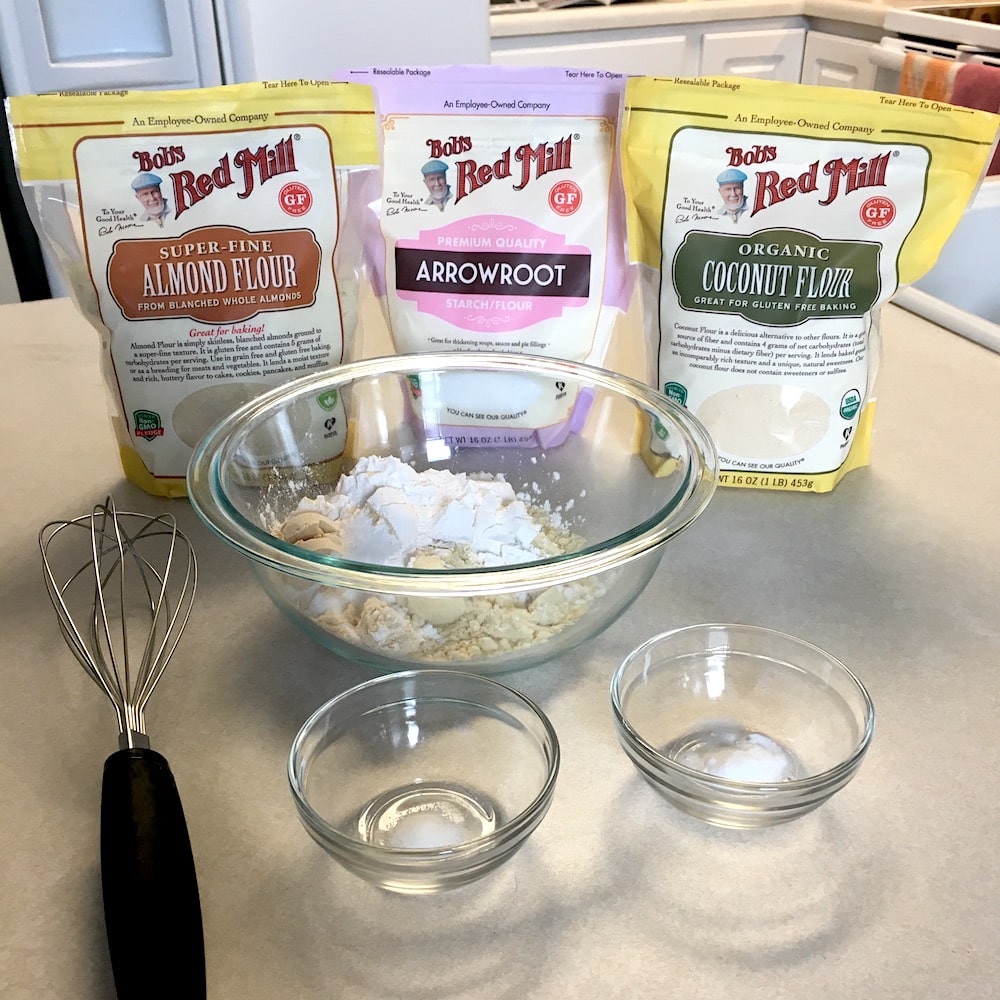
As you can see in the photo below that I used “Bob’s Red Mill” products.

I like them because they’re not only high-quality with a huge selection, but they’re also easy to find in most grocery stores.

Mix in a medium size bowl

– 3/4 cup Almond Flour

– 1 tbsp Coconut Flour

– 1/3 cup Arrowroot Starch

– 1/4 tsp Salt

– 1/2 tsp Baking Soda


Wet Ingredients:

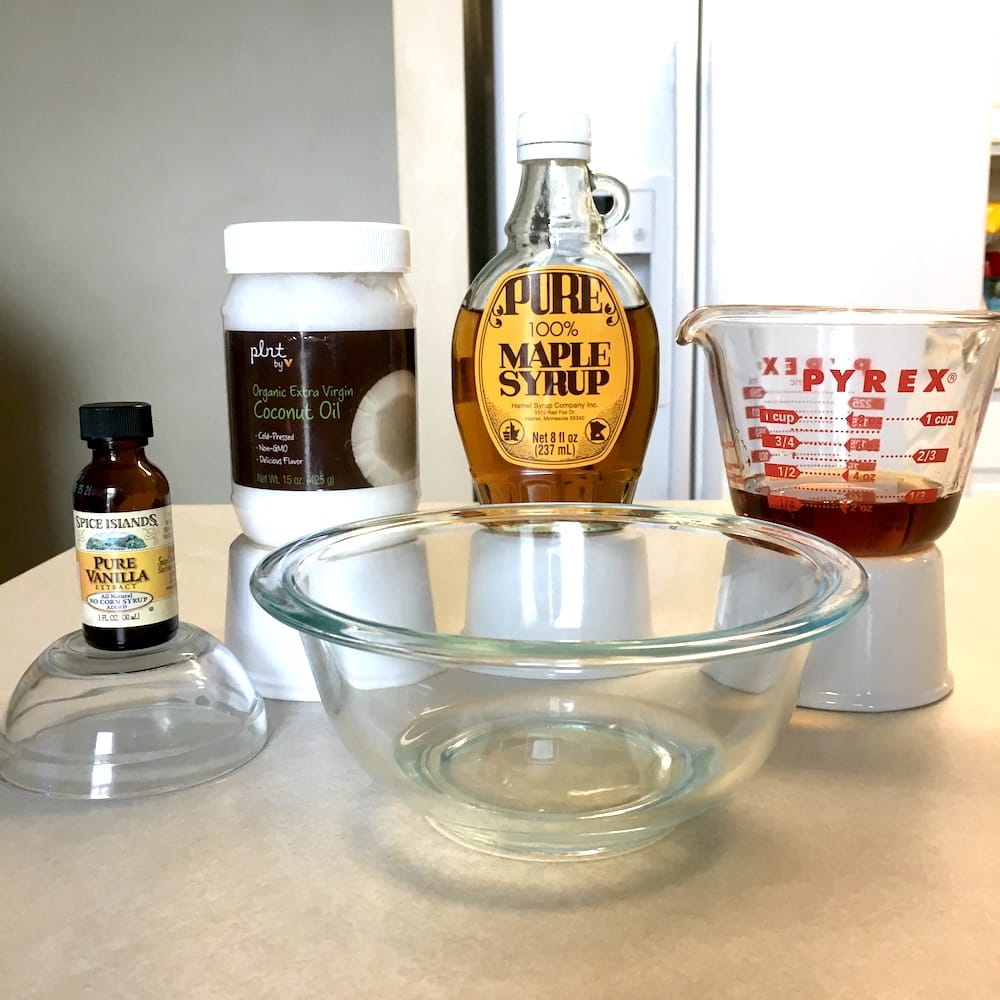
The Vanilla, Coconut Oil, and Maple Syrup are all organic.


Mix in a smaller bowl:

– 1/4 cup Maple Syrup

– 1/3 cup Melted Coconut Oil

– 1 tsp Vanilla

– 1 tsp Almond Extract

The Vanilla, Coconut Oil, and Maple Syrup are all organic.


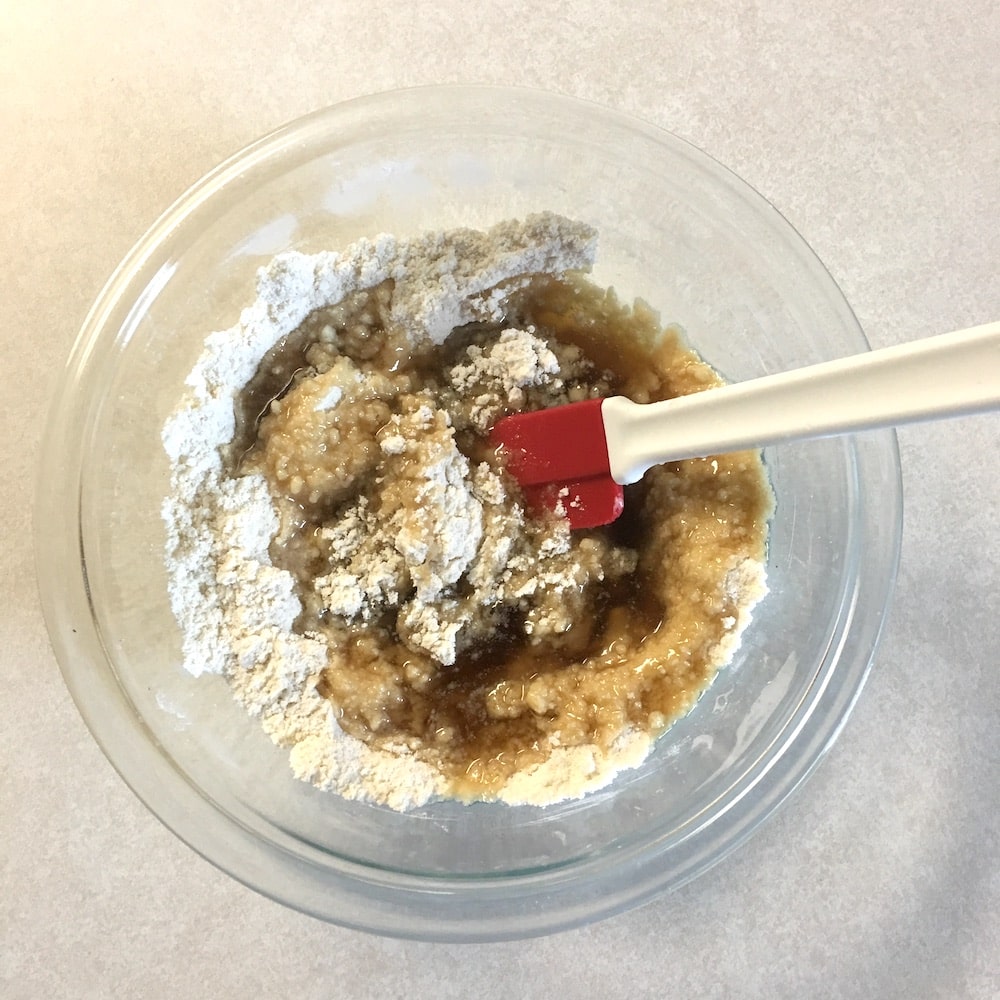
Mix “wet ingredients” into the “dry ingredients” in the medium bowl until it is of uniform consistency and can be rolled into a big  ball.


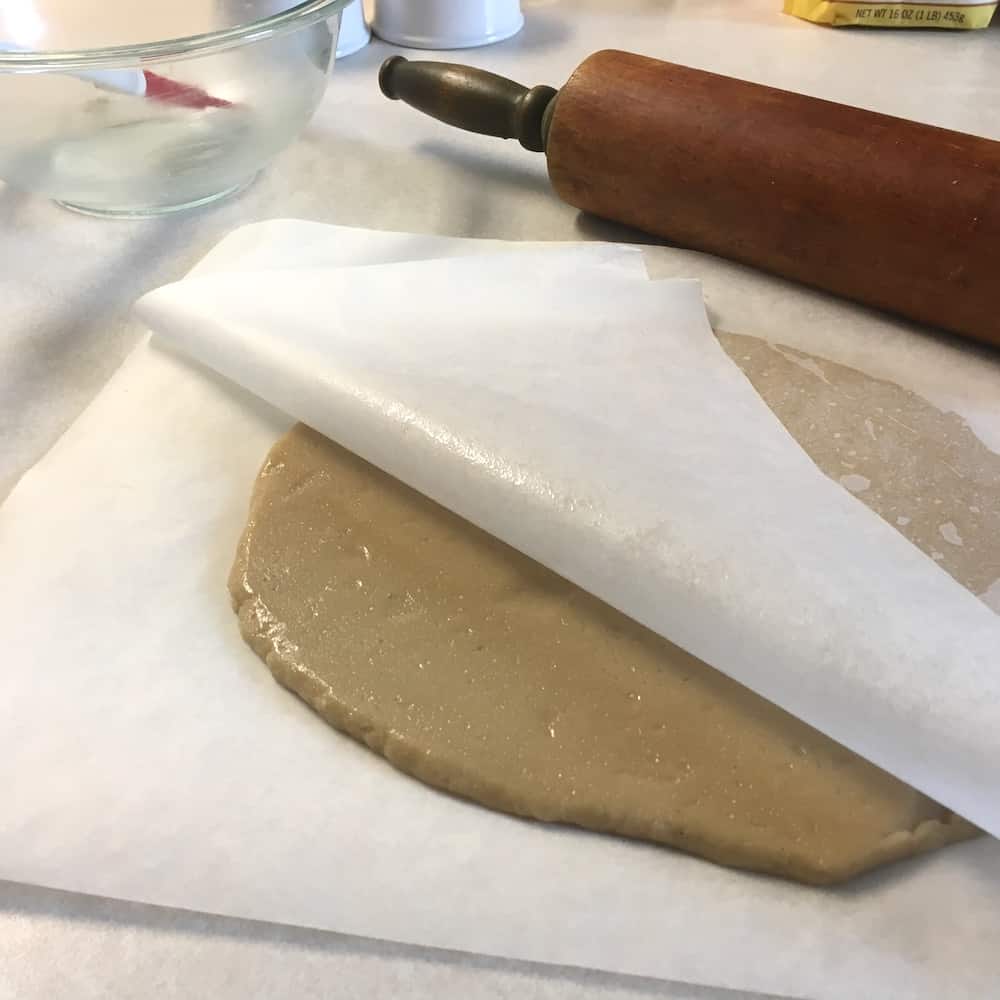
Roll the ball of dough on a sheet of wax paper, using another piece of wax paper  on top of the dough to 1/4 inch thickness.


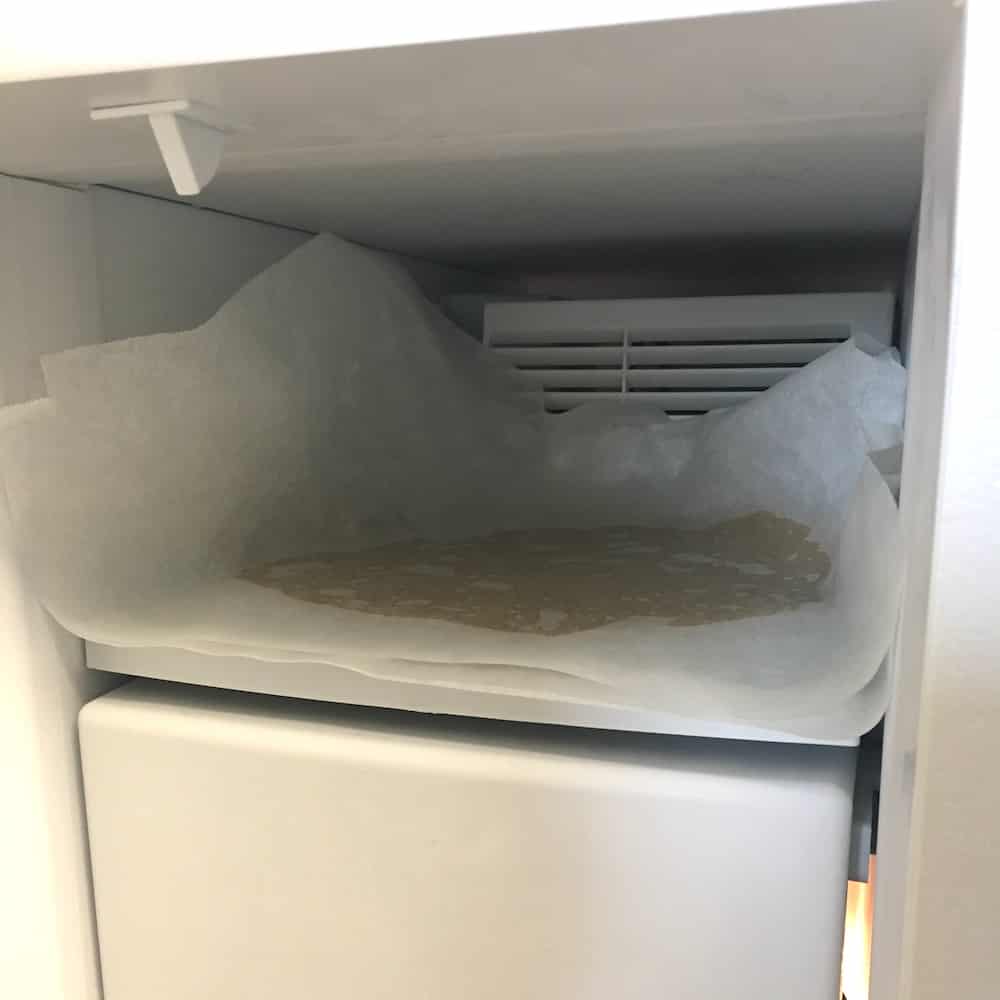
Then, put it in the freezer for 30 minutes. This will make it easier to cut out the shapes.


.


Next…

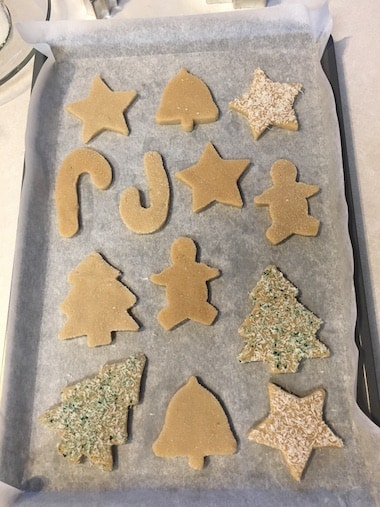
Cut out shapes, decorate, and put on cookie sheet lined with parchment paper. If you don’t have parchment paper that’s fine too.


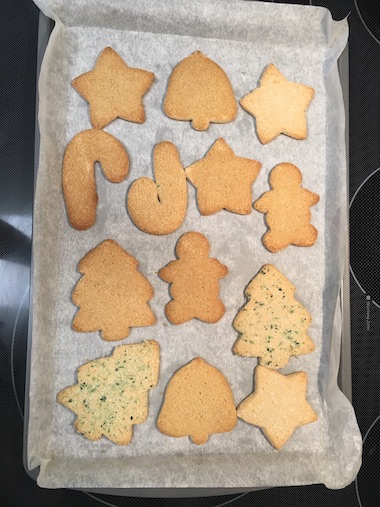
Bake in pre-heated oven ( 350 deg Fahrenheit) for 10-12 minutes


I also experimented with some toppings:


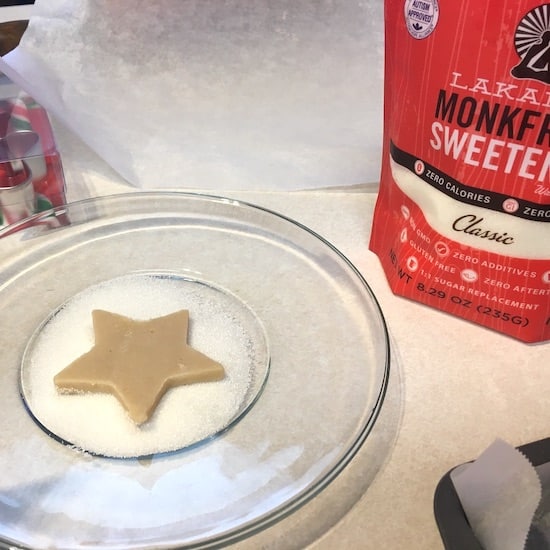
Monk Fruit Sweetener

I wanted to use something granular on the top that would help the cookie look and taste more like a traditional sugar cookie.


As it turns out, Monk Fruit Sweetener is much lighter and finer than sugar and immediately melted into the cookie in the heat of the oven.

I thought it would at least have a slight glaze or something on top but nooo, it just sucked it right in.

I do not recommend Monk Fruit Sweetener for this application. It didn’t add anything to the cookies… save it for your tea.


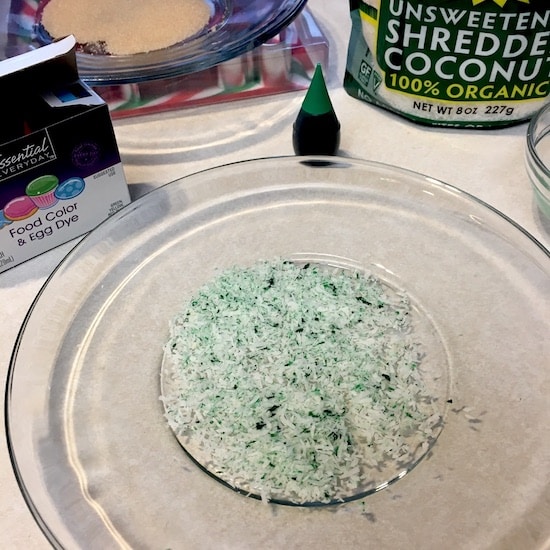
Shredded Coconut (sweetened or unsweetened)

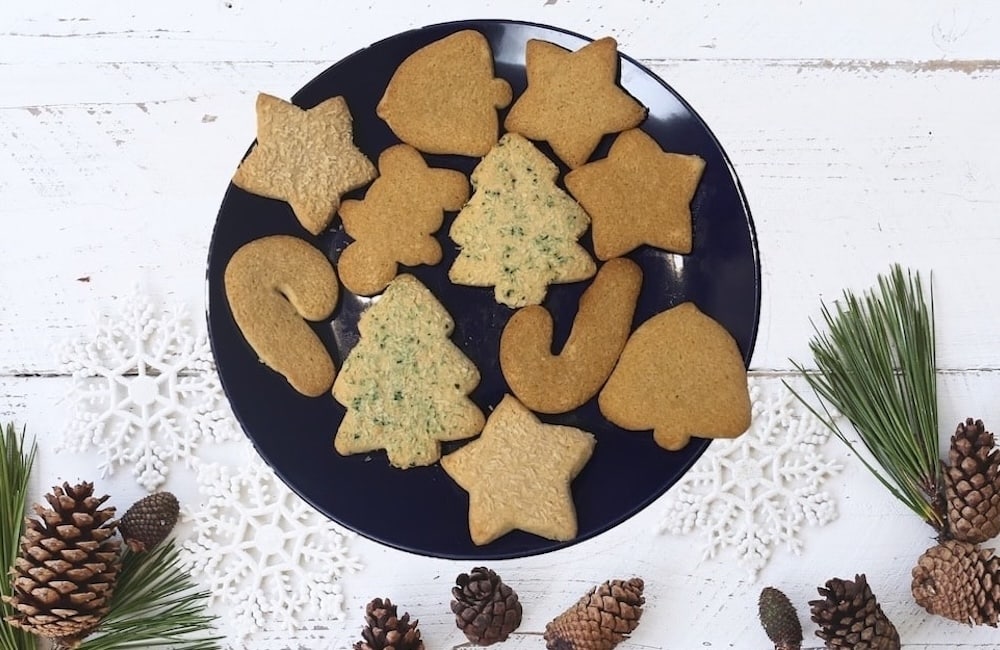
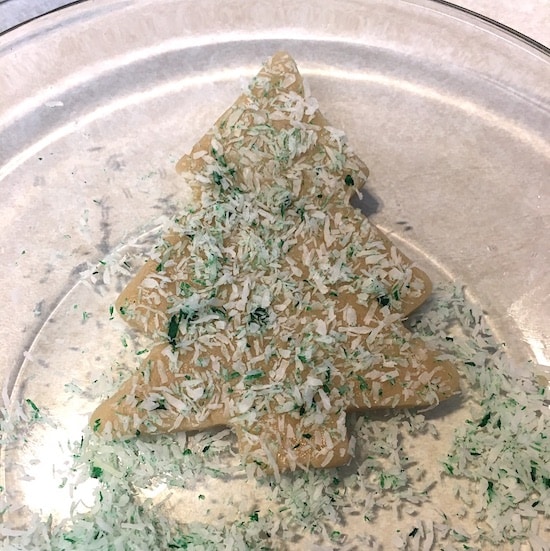
This was a nice addition for both the stars and the trees.

For the stars, I gently mashed the cookie into some white coconut on a saucer (like in the Monk fruit picture above) and then transferred it to the baking sheet.


For the trees, I added 1 drop of green food dye into some of the coconut. However, I wasn’t too thrilled with the coconut that I used, it was pretty dry.


Next time I’ll try freshly shredded coconut mixing it into the dough itself as well as using it on top.  I’m hoping the moisture from the fresh coconut will also help to keep the cookie soft longer.


With dough scraps left over from the cut-outs, I made the following examples.


Roll up 1-inch diameter balls for a quick circular cookie  (they’ll cook up to be about 2 inches across).

Press the ball into the topping and flatten to approximately 1/3-inch thickness.


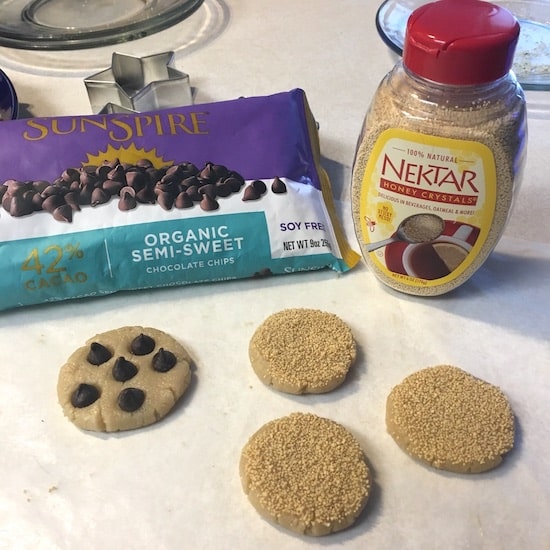
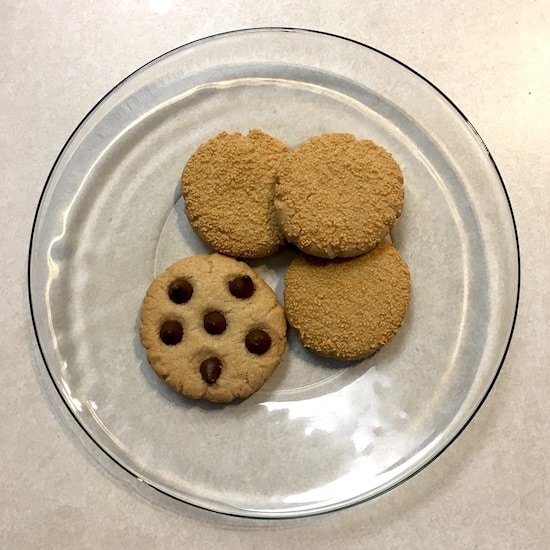
Cacao Chips

I squished 6 chips onto the top of one test cookie before baking.


Too bad I only made one because it was excellent. My boyfriend has requested that I make more of these – good sign!


Honey Crystals

Love them! I made three test cookies with the honey crystals (see photo above). The honey crystals produced a slight “poofing” on the cookie during the cooking process.

After it cooled it had a nice crunchy texture on top and I really liked the honey flavor.


I think this one is my favorite!


A Few Observations:


Regarding Color:

Don’t be surprised that the cookies are a little browner than a normal sugar cookie. This is due to the brownness of the maple syrup as opposed to traditional white sugar which creates a whiter cookie.

If I had thought about it at the time, I would have separated out a bit of the dough and mixed in a drop or two of red food coloring to twist together with some of the plain dough and create colorful candy cane cookies. Green would have been great for the trees too – oh well, maybe next time.

Regarding Flavor:

Although the recipe uses maple syrup as the sweetener the cookies don’t really have a maple taste, but they do have a slight coconut flavor due to the Coconut oil and Coconut flour – which I kinda like!

*One note… make sure your coconut oil isn’t terribly old. Mine had been in my cupboard for quite a while and it tasted kind of stale (so of course I used it anyway – lol).  Luckily the stale flavor did cook off which was great, but next time I will definitely use a new jar.

Regarding Texture:

The texture is a tiny bit grainier than a traditional sugar cookie due to the density of the Almond flour, but I found it a nice change of pace. Obviously, they were best eaten when warm, but they also cooled nicely too.

I recommend keeping them in a storage tub lined with parchment and plastic wrap.


Future Added Ingredients to Ponder:


– Grated orange peel and a touch of Cinnamon

– Sliced Almonds and Almond extract for an almond cookie

– Cinnamon and Cream of Tartar for Snicker Doodles


Final Conclusion On My Experiment:


I’ve really enjoyed them and my boyfriend finished them off – yay!

There you have it. I was pretty happy with the results and can’t wait to play with this recipe more. If you try this recipe let me know how it worked out for you and also if you added any extra goodies to it.


Here’s To Your Good Health and To Your Happiness!  


Views: 11

5 Foods to Fight Stress and Boost the Immune System

5 Foods to Fight Stress and Boost the Immune System

Help Reduce your Stress with Everyday Foods


If you have a busy schedule, work deadlines, and other factors that are causing stress you can help increase the natural defenses of your body by eating everyday foods.

Healthy eating has a positive effect in reducing stress in a natural and effective way. Here are top foods that combat stress:


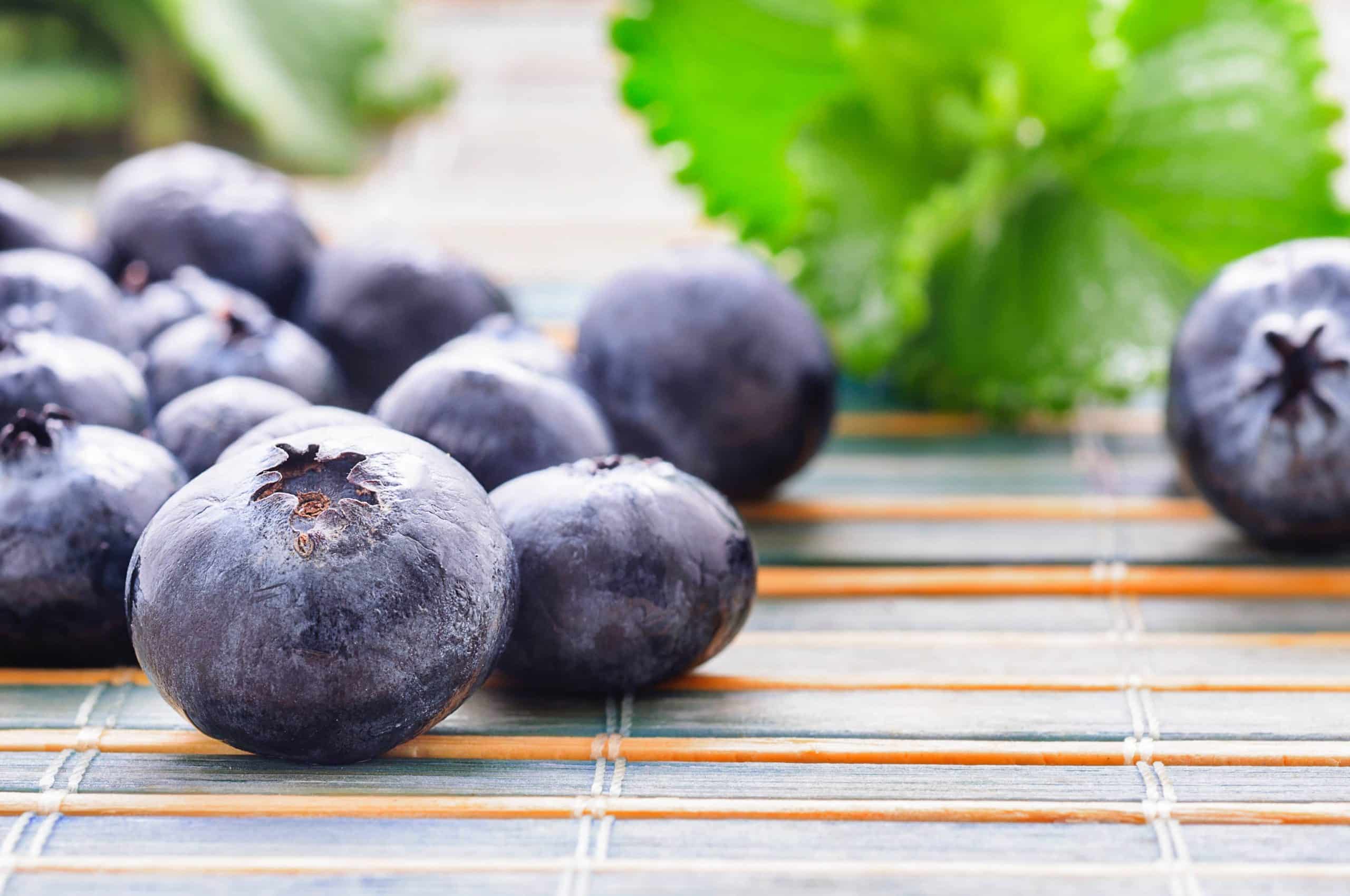
1. Blueberries


Blueberries are a proven stress buster. They’re loaded with antioxidants that revives and rejuvenates damaged cells in the body and helps to relieve stress. They neutralize free radicals in the body and prevent cell damage.

Blueberries have been known to boost the body’s response for fighting stress and anxiety, as well as improve immunity, which plays a vital role in reducing stress.


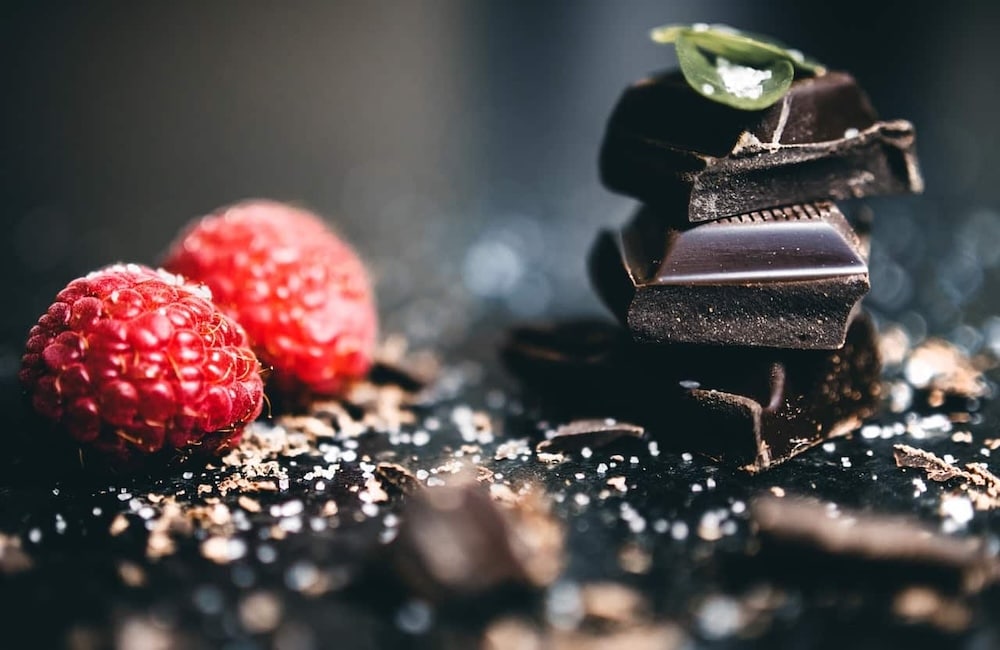
2. Dark Chocolate


Here’s good news for chocolate lovers. Studies reveal that consumption of dark chocolate shows a reduction in cortisol- the stress hormone, thereby relieving stress.

The cocoa has a high amount of antioxidant that lowers the blood pressure and relaxes the blood vessels. For a calming effect, go for chocolates that have over 70% cocoa, says experts.


3. Avocados


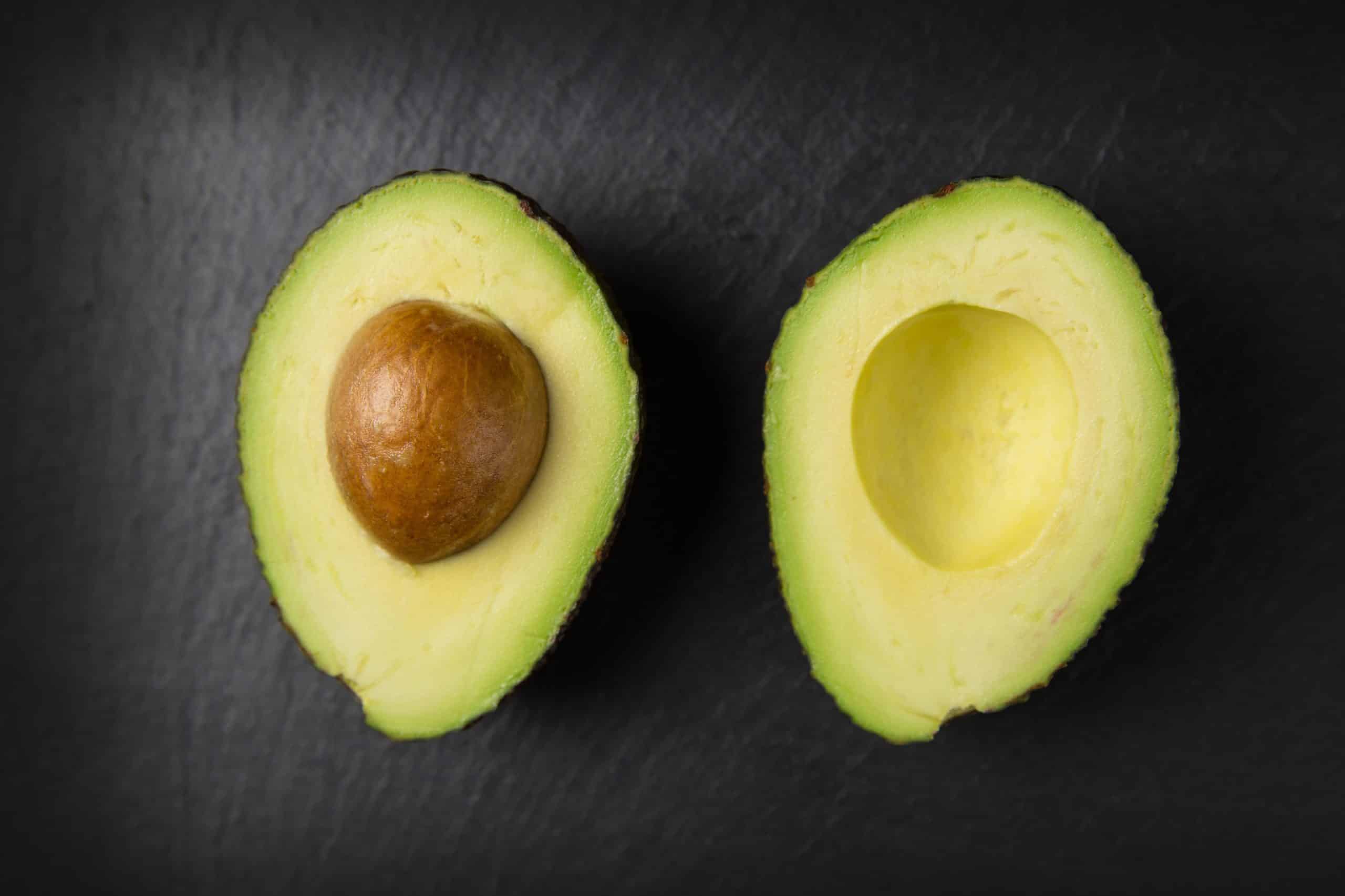
If you’re not trying to lose weight, avocados may prove to be very helpful for combating stress. The creamy fruit contains glutathione that blocks the absorption of fats responsible for the oxidative damage.

The fruit also makes you feel more satisfied. Keep in mind that avocados are high in fats, so consider limiting your intake by adding just half an avocado in your lunch.


4. Cashews


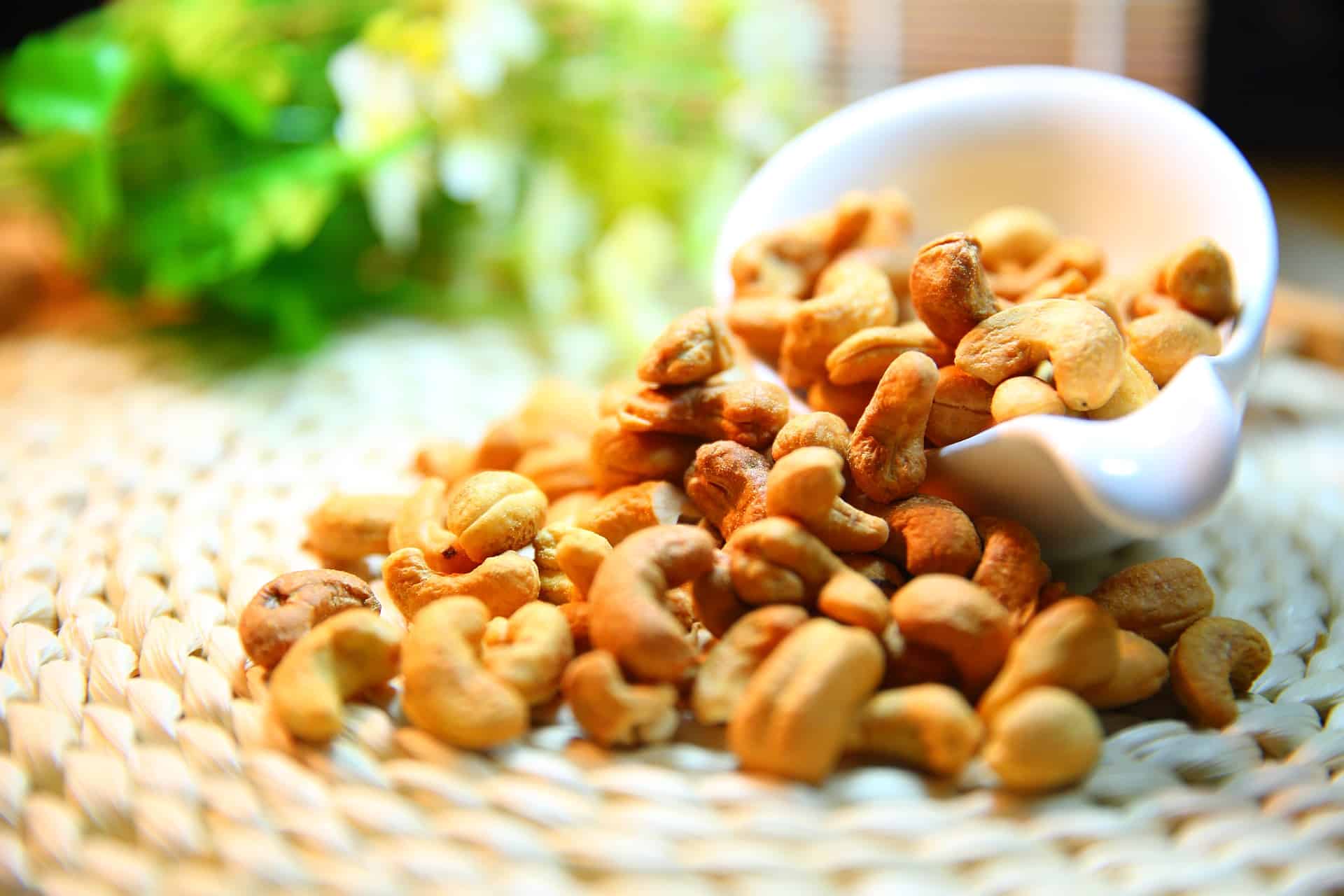
Nuts have always been a great snack, but cashews have an added advantage. The crunchy nut is packed with proteins and omega-3s that reduce cravings and make you feel full.

They are rich in zinc that helps in preventing stress. Zinc deficiency is one of the major causes of stress and anxiety. So, replenishing your zinc stores may help in preventing stress altogether.

Having a few every day may seem beneficial for anyone. Besides, they can also be a great snack for those trying to lose weight due to its high protein content.


5. Salmon


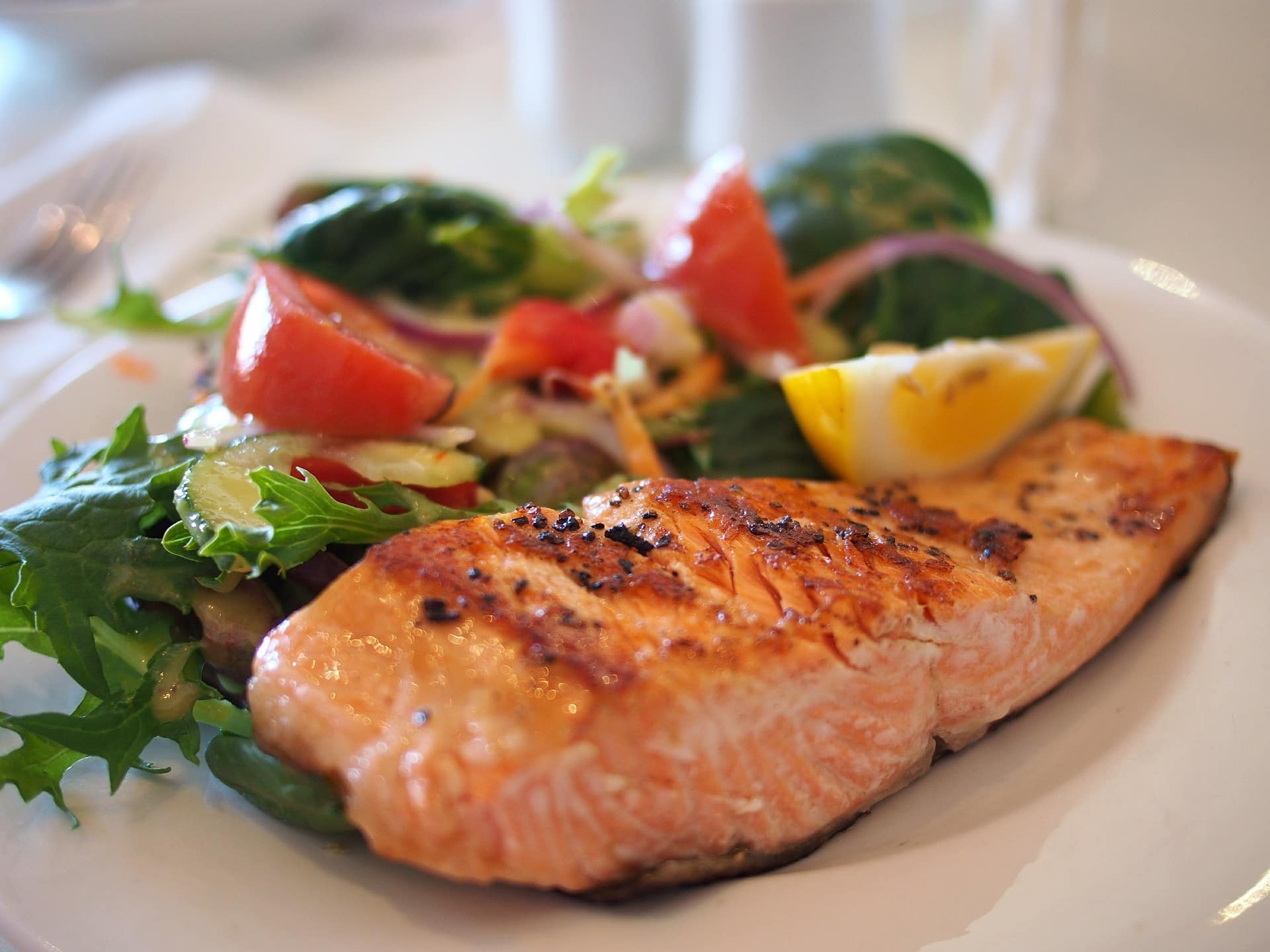
Salmon has many heath benefits, the major one being stress relief. The fish is rich in omega-3 fatty acid which is a powerful anti-inflammatory agent. Studies show that it helps in reducing the stress hormone cortisol as well as adrenaline and induces a calming effect.

People who consume salmon on a regular basis have shown a reduced level of stress as compared to those who do not. In addition to it, salmon is also a great food for your heart.


Summary

Eating healthy is only one step in keeping your stress levels in check. Including fresh air, time off to play, moderate exercise, and meditation will go a long way toward living a more stress-free and balanced life.


Views: 1

12 Edible Flowers to Try

12 Edible Flowers to Try

Try Edible Flowers in Your Next Culinary Creation.


Cooking with flowers is a fun way to add a touch of fun and flair to your recipes.

You can create exciting, flavorful and visual experiences when you add lavender to bread or dandelions to salad. There are a lot of delicious flowers that can be used in dishes as both a garnish and as a spice.


Important Tips to Keep in Mind: 

No Pesticides: Only eat organic flowers.  Do not eat flowers that you get at the floral department in the grocery store or from a commercial florist. This is because the majority – if not all – are grown using pesticides.

Never eat flowers picked from the roadside, a park, or any flowers that you cannot confirm as pesticide-free.  When using flowers in cooking (fresh, dried or their extracts) double check that they are from organic, pesticide-free flowers only.  Better yet, grow them yourself.

Fragrance: The more fragrance a flower has, the stronger the flavor will be.

Color: Brighter or deeper floral color will also result in more flavor.


Here are the Flowers:


1. Calendula
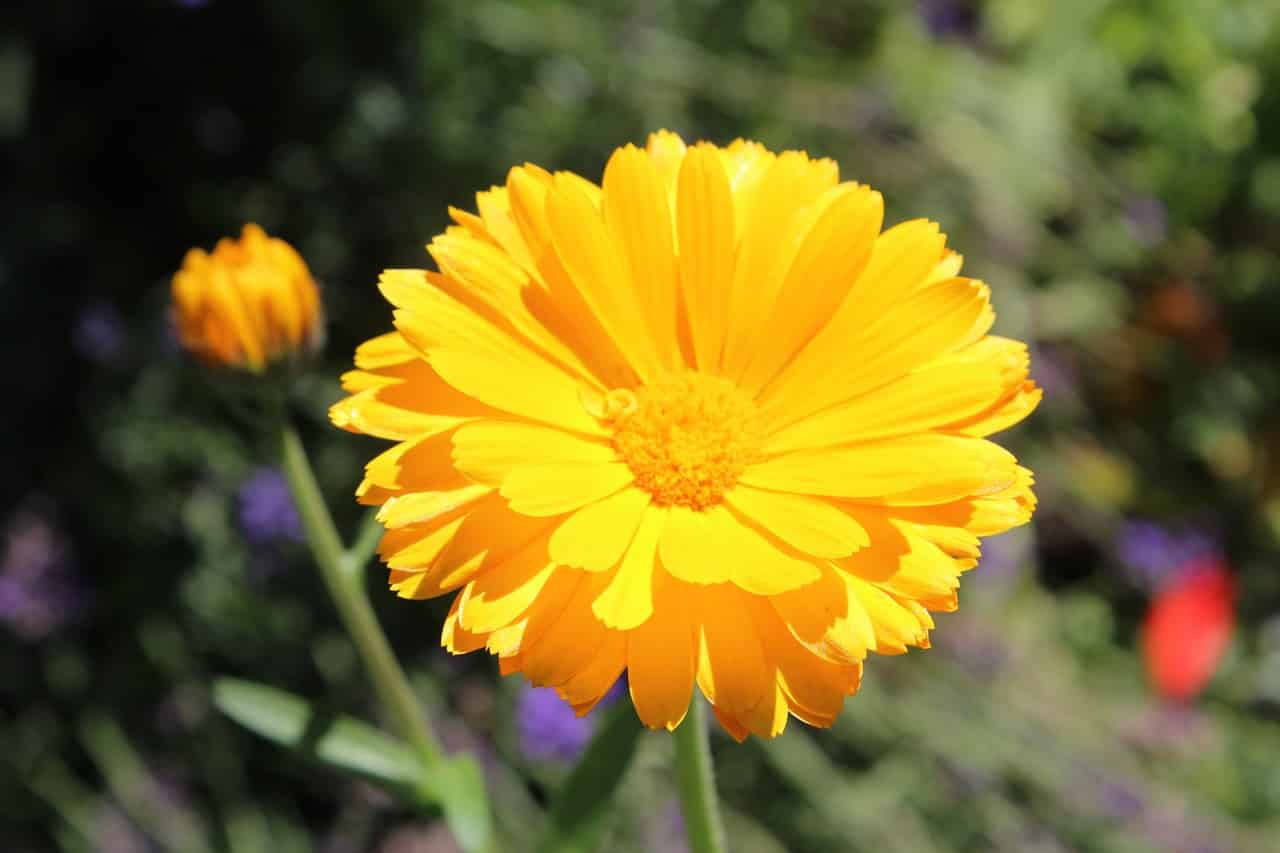
 

These happy flowers add a bright spot to any summer/fall garden. They are tasty on scrambled eggs, in soups, herb butters and other foods.

Color: Bright yellow or orange. Flat petals.

Parts:  Flower Petals.

Flavor: The flavors can range from tangy to peppery, bitter to spicy. Also known as the poor man’s saffron because the taste resembles saffron.

Uses: Sprinkle the petals on salads, pasta, rice, soups, herb butters, scrambled eggs, or wild greens. The full flower makes a pretty garnish on the side.

Prep: Fresh or dried.


2. Carnations
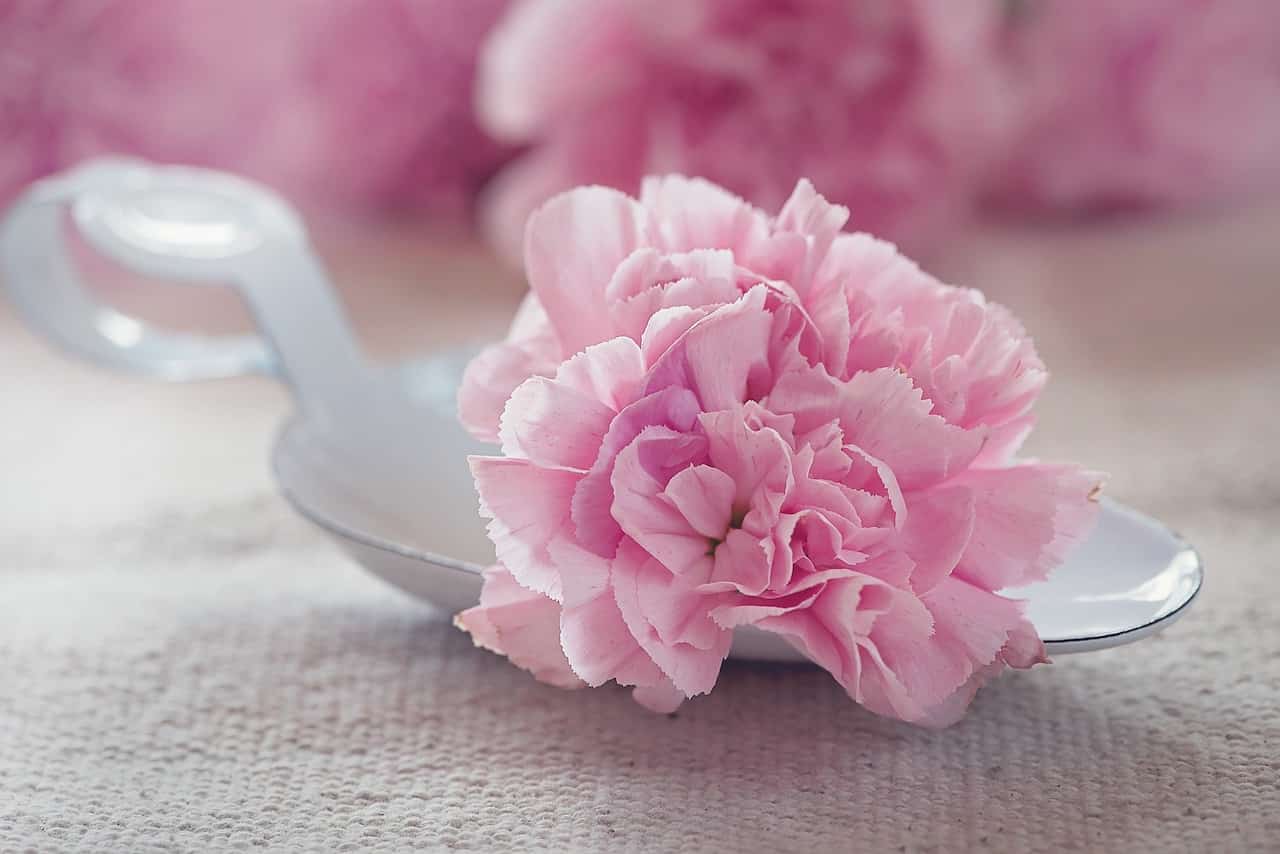
 

Carnations are so pretty. They also have a spicy fragrance. Carnations have been used as cake decorations and steeped in candy and wine. They have sweet petals but be sure to cut them away from the bitter white base before eating them.

Color: Multiple colors.

Parts: Petals only.

Flavor: Light clove with nutmeg overtones.

Uses: A nice touch to salads or aspics. Very pretty when the whole flower is used on wedding cakes or other baked goods.

Prep: Fresh or infused. Remove the pistils and stamens. Be sure to cut the petals away from the bitter white base. Use whole petals or chop them and sprinkle on your dishes.

Other Notes: Carnations have been used in the French liqueur “Chartreuse” since the 1600’s.


3. Chamomile
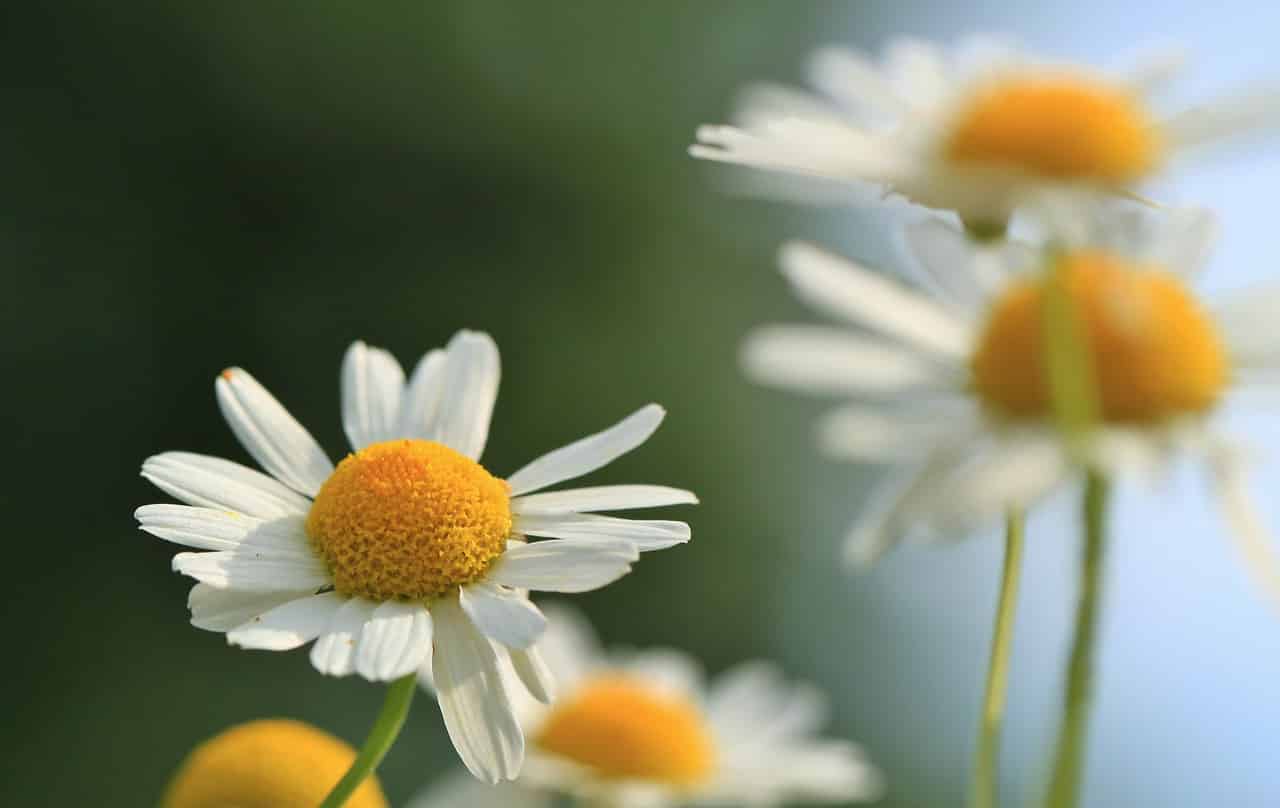
 

These tiny daisy-like flowers have been used in cooking and traditional medicines for thousands of years. One difference between chamomile flowers and daisies is that chamomile flowers are much smaller than daisies and have raised centers (see above) whereas daisies have flat centers.

Color: Small white flowers with raised yellow centers.

Parts: Flower

Flavor: Slightly sweet and earthy.

Uses: Teas. Smoothies, Syrups. Baked good. Desserts. Anything you want them in.

Benefits: Best known for reducing anxiety and improving sleep.

Prep: Fresh or dried. Pick the flowers when in full bloom but before the petals start to droop. Steep flowers in hot liquid to extract the flavor and to release the bioactive compounds.


4. Clover
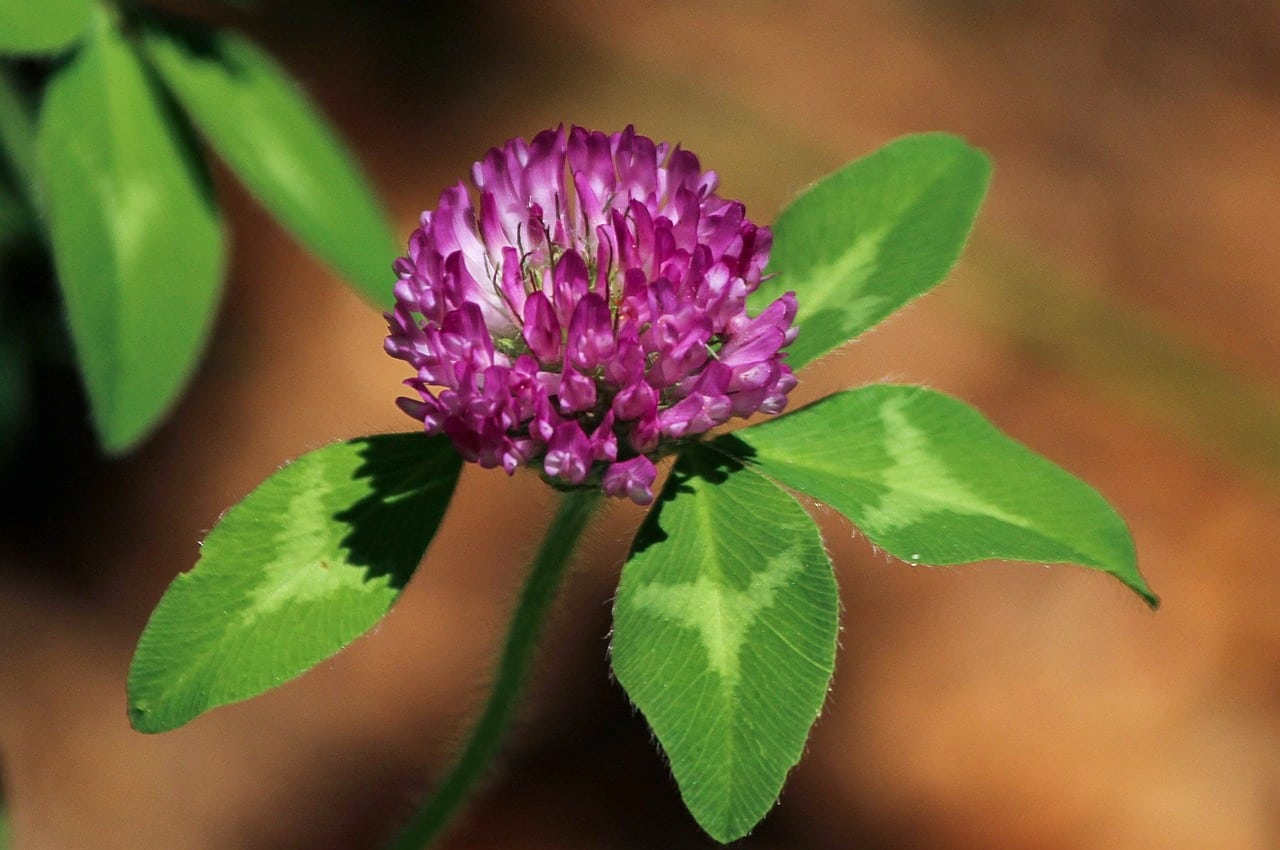
 

Clover was my first introduction to edible flowers as a child. I remember spending hours looking for 4-leaf clovers when my dad taught us that we could eat the flowers – cool! He said that the sweetest part of the flower is the bottom of the petals. Just pluck the petals off the head and chew on the bottoms. It was great fun! But there’s so much more you can do with them.

Colors: White, Pink, Redish Purple.

Parts: Flower petals, head and stem.

Flavor: Lightly sweet.

Uses: Sprinkle the petals to add color to any dessert or salad. Add to honey, lemonade or tea. The whole clover flower also makes a pretty garnish.

Benefits: White clover tea has been used for coughs and colds.

Prep: Fresh or Dried. Choose the flowers with the brightest color for the best taste. Avoid flowers that are turning brown as they can be bitter and tough.

Cautions: Raw flower heads can be difficult to digest.


5. Dandelions
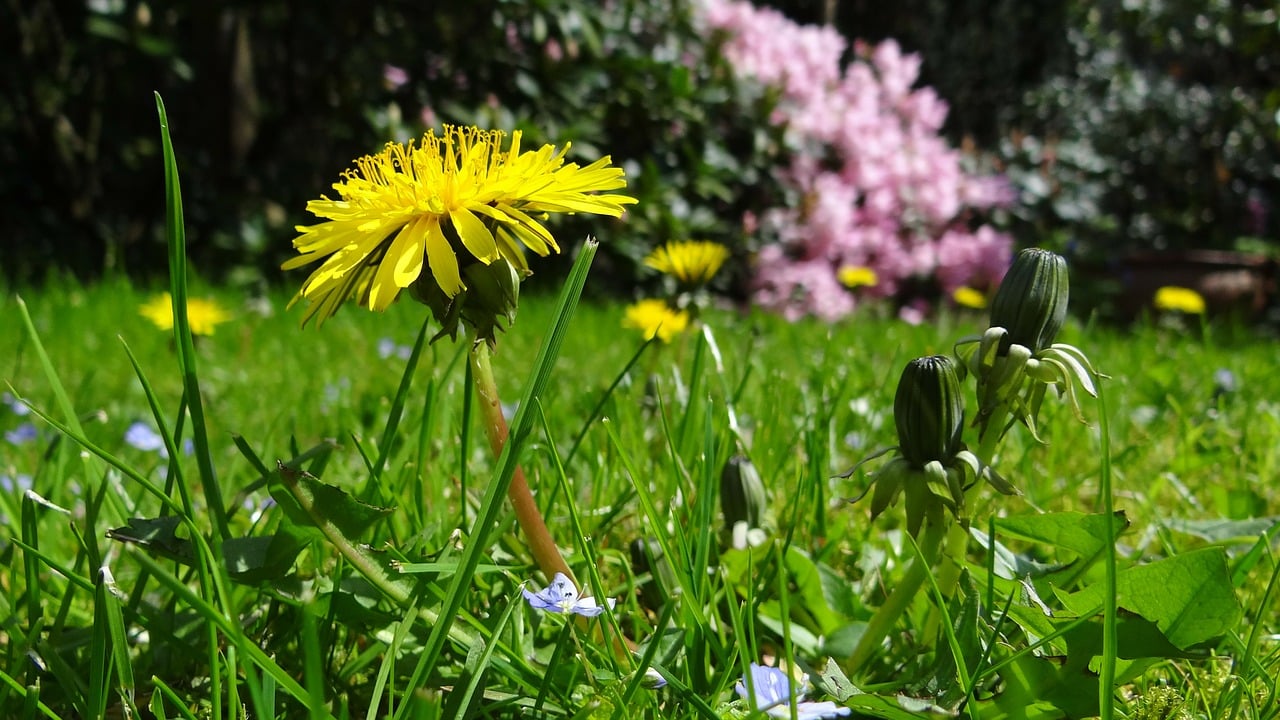
 

Considered a weed by many, this plant is actually a member of the daisy family and highly nutritious. The flower buds can be eaten raw, tossed into a salad and even steamed. Make sure to pick the leaves and flower buds when they are very young and close to the ground. The more mature the leaves and flowers are, the more bitter they taste.

Color: Yellow flowers

Parts: Young flowers before they’ve opened. Young leaves. The Roots.

Flavor: The young flower buds are slightly bitter but much sweeter than the opened flowers which are very bitter.

Uses: Salads, wine, teas, jelly, stews, casseroles or any dishes that call for hearty greens. Young dandelion petals add a unique flavor, not to mention a nice visual when sprinkled over rice.

Benefits: Powerful antioxidant properties.

Prep: Fresh or steamed. In salads, the leaves should be picked before the little flowers open. When using the flower buds, be sure to pick them when they are very close to the ground and bunched up like little marbles.


6. Hibiscus
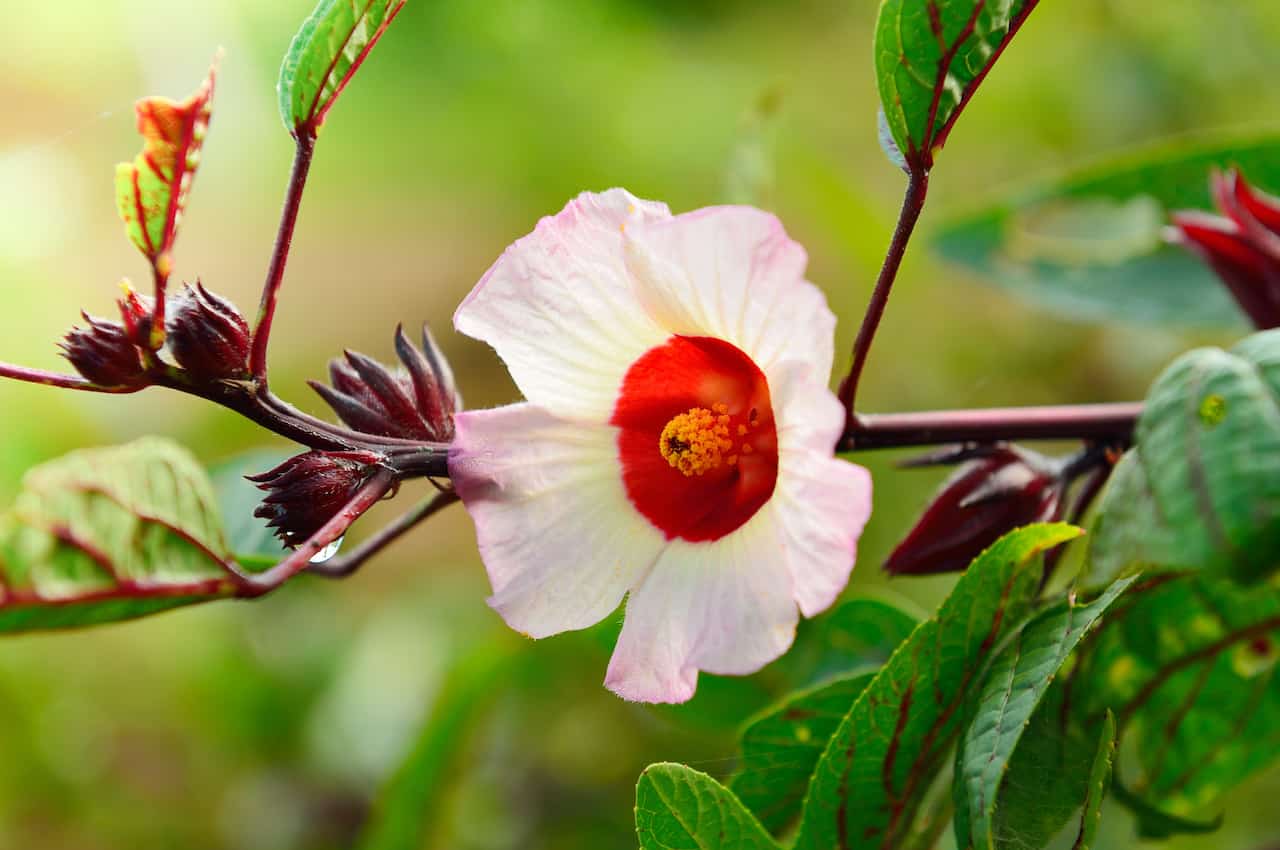
 

The edible variety of Hibiscus is known as “Roselle” and is well known for its medicinal and culinary uses. The flowers can be eaten raw but are mostly used in herbal teas, jams, and salads.

Colors: White with a red center

Parts: Flower

Flavor: A cranberry-like flavor with citrus overtones. Slightly tart.

Uses: Teas (hot or cold), jams, salads, and relishes to name a few.

Benefits: Relaxing. Some research has suggested that hibiscus may help with reducing blood pressure and cholesterol levels. If you have blood pressure issues, consult with your doctor before consuming large quantities of Hibiscus.

Prep: Fresh or dried. Remove pistils and stamens from the center of the flower before consuming.

Cautions: Use sparingly. ONLY USE the edible variety of Hibiscus known as “Hibiscus Sabdariffa (Roselle) not to be confused with the many ornamentals out there.


7. Lavender
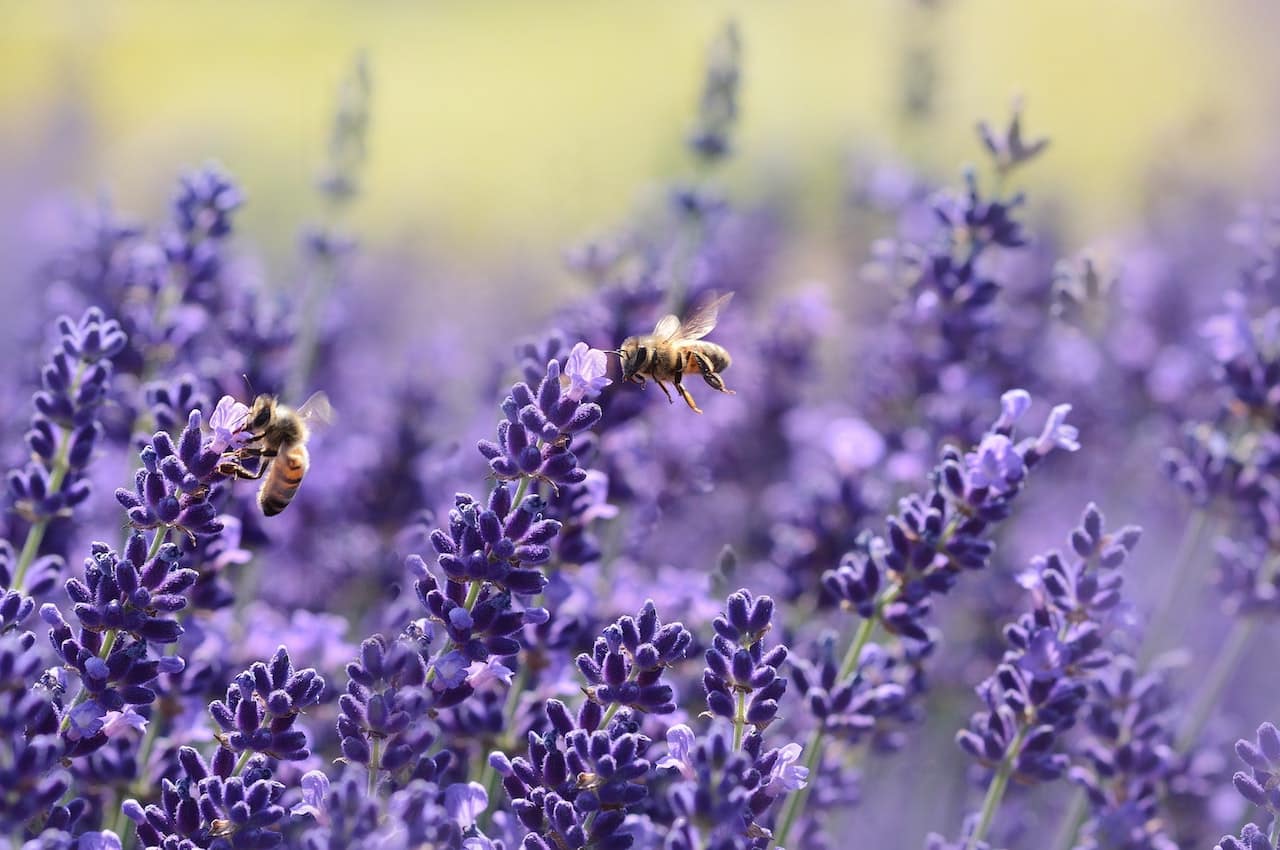
 

Lavender is a woody, floral herb from the mint family. There are many varieties but the most popular for cooking is “English Lavender” and “Munstead Lavender”.  It has a multitude of tiny flowers on each stem and is the most fragrant as well as flavorful. It goes great with chocolate, citrus, and berries. It can also be paired with savory herbs such as rosemary, sage and thyme.

Color: Various shades of violet and purple.

Parts: Flowers. When cooking, use either English or Munstead Lavender.

Flavor: Strongly floral. Tastes like it smells. Use sparingly to start with when cooking and slowly add more as necessary.

Uses: Adds a nice touch sprinkled on ice cream and sorbets, in baked goods, or spice rubs. It can also be infused into chocolate, syrups, honey, and liqueurs.

Benefits: Calming and relaxing.

Prep: Fresh or Dried.

Cautions: Use sparingly. When cooking (as with any flower or herb but especially lavender) it’s best to start with small quantities and increase it slowly until you achieve the desired taste, otherwise the flavor can quickly become overpowering.


8. Nasturtium
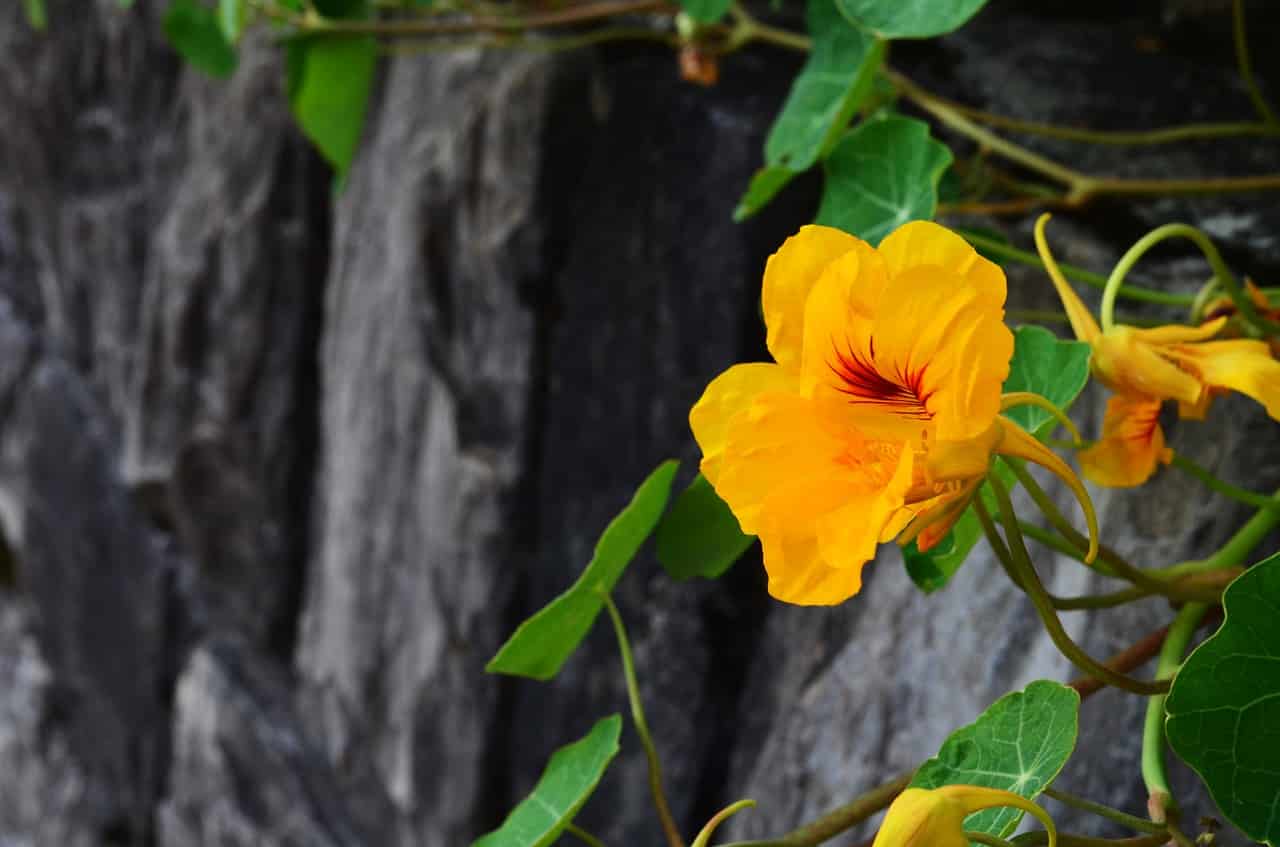
 

This lovely vine flower adds color and flavor to any dish. Nasturtium have brightly colored blossoms and a savory flavor.

Color: Bright red, orange or yellow.

Parts: Flowers and the leaves – raw or cooked.

Flavor: Savory and slightly spicy with a peppery finish. The blossoms are milder than the leaves.

Uses: Beautiful as a garnish for salads, pasta, cakes and other pastries.

Benefits: They contain a variety of minerals and compounds with anti-inflammatory properties.

Prep: Fresh


9. Pansy
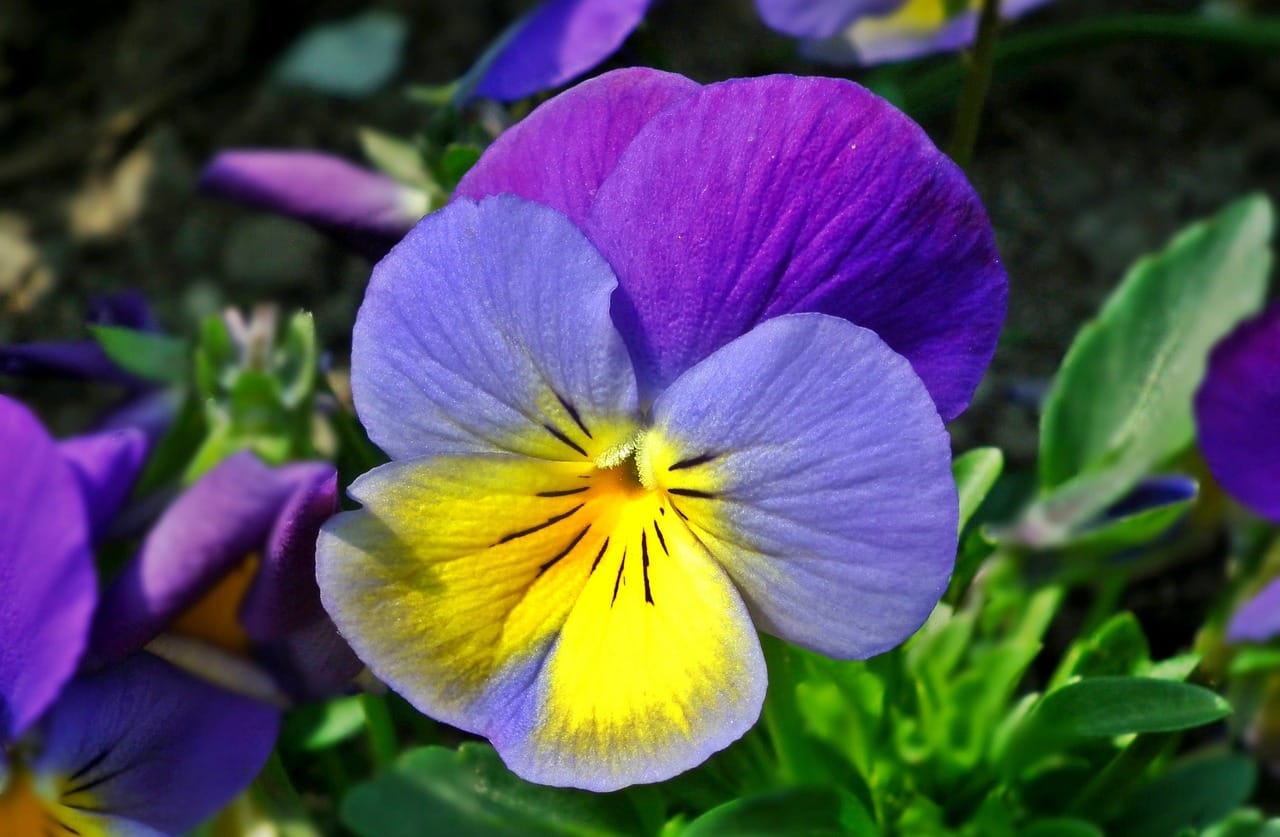
 

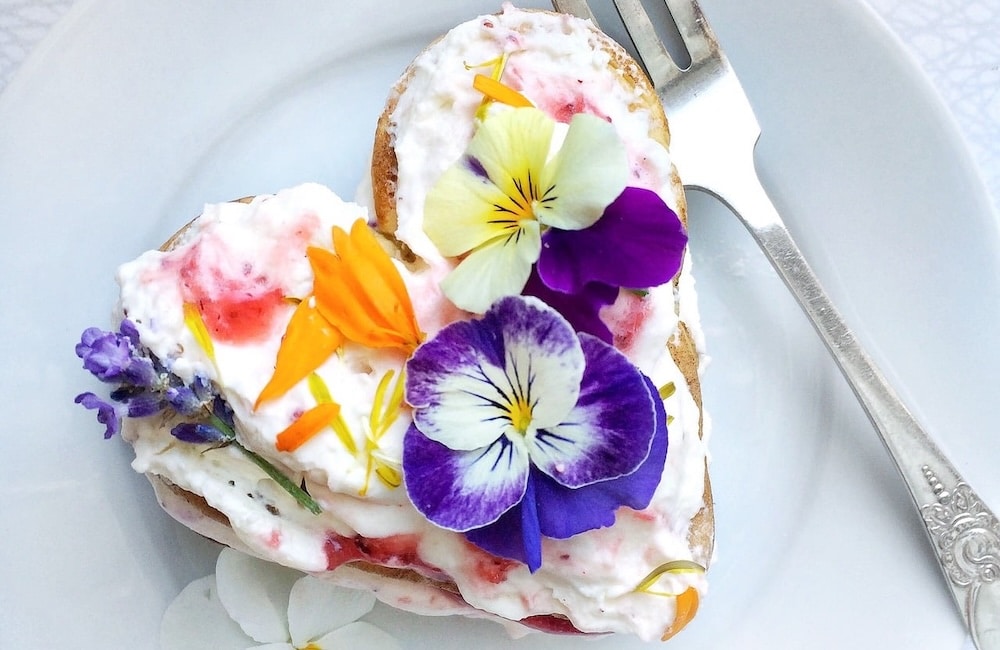
Pansies are not only beautiful to look and, but pleasant to eat. You can enjoy both the regular size pansies as well as the small version known as “Johnny Jump-ups”.

Color: There are multiple versions of these tri-color flowers. The most common are purple, blue and yellow.

Parts: Flowers and stems.

Flavor: The flowers have a mild, sweet green flavor. The stems have a wintergreen overtone.

Uses: Fresh or candied petals bring a decorative touch to salads, desserts, pastries, cakes and cookies.

Benefits: Pansies contain a rich source of antioxidant and anti-inflammatory compounds.

Prep: Fresh or candied.


10. Roses
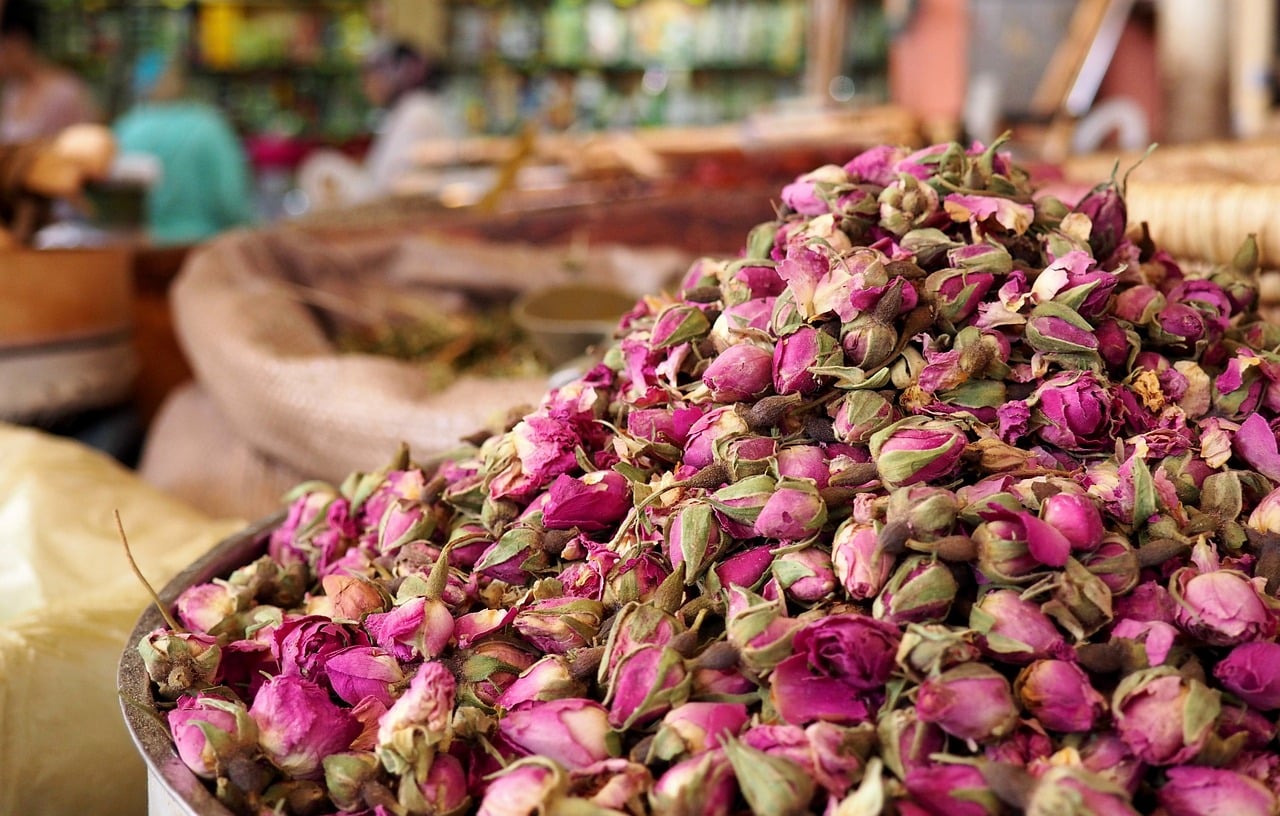
 

Roses are an elegant garnish on anything, and in anything. Fresh or dried, adding roses will make everything more special.

Color: Pink, Red, and Lavender roses are the most fragrant and flavorful.

Parts: Buds and Petals.

Flavor: All varieties of roses are edible but the most fragrant will have the most flavor.

Uses: Use in teas, baked goods, green salads or fruit salads, anything you want really. Dry the petals and add them to granola or other herb mixes. Add rose-infused liquid to teas, jellies and jams. You can sugar coat for garnishing desserts or bake them right in. Also, adding roses to butter can give a romantic touch to ordinary ingredients.

Benefits: Reduces anxiety and promotes relaxation.

Prep: Fresh or dried. For rose-infused liquids, steep 1 tablespoon dried rose petals in 6oz of freshly boiled water or other hot liquid for 10 minutes or until the petals turn dark. Strain before using.

Cautions: Never eat roses or any flowers that you buy at the floral department in the grocery store or from a commercial florist! I can’t stress this enough. This is because the majority – if not all – are grown using pesticides.


11. Squash Blossoms
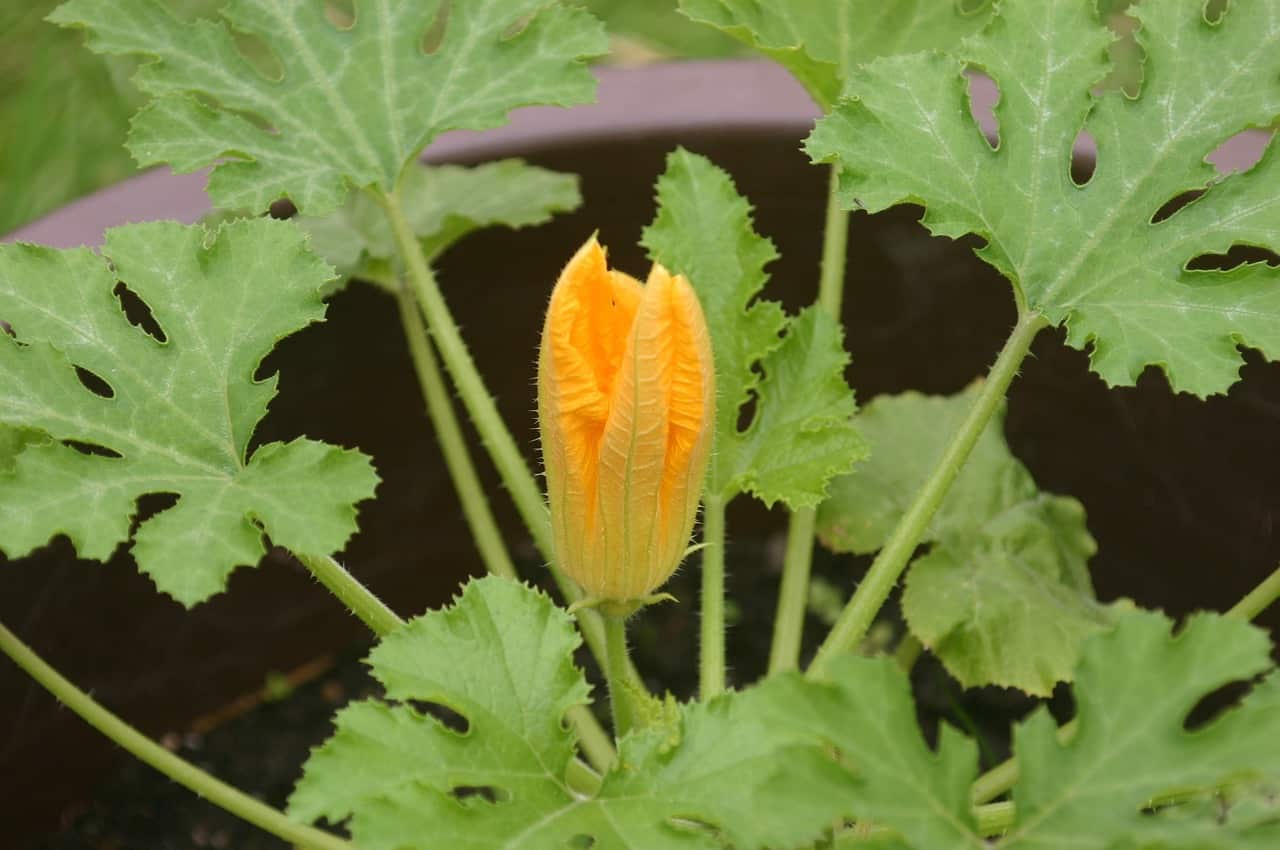
 

Squash blossoms also known as zucchini flowers can come from any summer winter squashes. Whether fresh, baked or even fried, they can add a nice touch to quesadillas, burritos and other autumnal foods.

Color: Bright yellow or orange flowers.

Parts: The Flower. If you want to have your squash harvest AND eat the flowers too, pick only the “male flowers”. The male flowers have a long thin stem (see photo) and will grow around the outside edges of the plant. The female flowers are usually close to the center of the plant and have a small, bulbous base at the bottom of the flower where it meets the stem. The bulbous base is what will turn into the squash or zucchini.

Flavor: Tastes mildly like the squash itself.

Uses: Use as a garnish or chop and add to salads. Try them in herb cheeses. They can be eaten raw, baked, and even fried. Great in quesadillas and other southwestern foods. Fry or bake them until the petals are crispy.

Prep: Use quickly as they wilt fast.


12. Violets
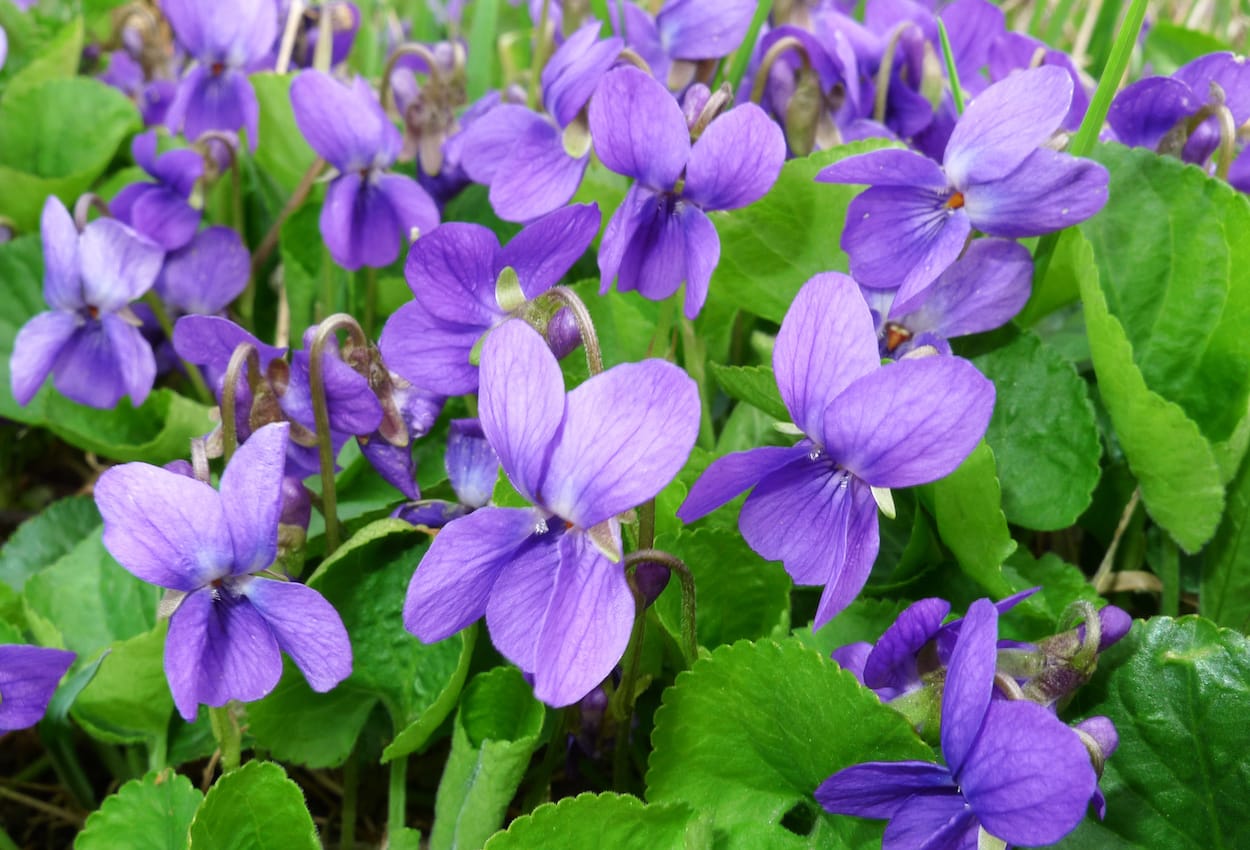
 

Sweet Violets are actually a member of the pansy family. You can use them in salads, pestos, cakes, drinks, yogurt and so much more.

DO NOT EAT AFRICAN VIOLETS! The ornamental houseplant with the fuzzy leaves is an entirely different variety and are not to be eaten.

Color: Purples and blues are the best for consuming.

Parts: Flowers and leaves.

Flavor: Floral. Very light flavor of violet.

Uses: Lemonade, cake decorations, yogurt topping, dessert topping, candy and loads more.

Benefits: Brings smiles. The leaves are high in vitamins A and C.

Prep: Fresh. Dried. Candied. If making candied violets, be sure to use them quickly as they wilt fast.

Cautions: Again… DO NOT EAT African Violets! African Violets are an ornamental houseplant with fuzzy leaves and yellow pistils are are not to be eaten.


In Summary

These are just 12 of the many flowers out there that can be used in cooking. Remember to start with small quantities and then slowly add more until you achieve the taste you want – the intense flavor of many flowers can become overpowering really fast!

When using the flowers for food (fresh, dried, or their extracts) always double check that they are from organic, pesticide-free flowers only.

I hate to be a nag but… Never eat any flowers that you get at the floral department in the grocery store or from commercial florists. This is because the majority – if not all – are grown using pesticides. They were grown for their beauty, not for eating.

Also, never eat flowers picked from the roadside, a park, or any flowers that you cannot confirm as pesticide-free.

There are thousands of delicious possibilities out there. Experiment, be creative, but most of all have fun with edible flowers.


Here’s to Your Good Health!


JessPassingThrough may earn compensation from affiliate links in posts at no cost to you. If you have any questions please feel free to reach out to us directly through our Contact Page.

Views: 0

Get Rid of Slugs and Snails Naturally

Get Rid of Slugs and Snails Naturally

How to Get Rid of Slugs and Snails without Poison or Salt!


Snails and slugs are pretty much everywhere but if left unchecked they can become more than just a slimy nuisance, especially in the garden.

I grew up in a very dry climate, and while there I had very little trouble with slugs and snails but all that changed when I moved to Seattle.

The Pacific NW is a very wet place indeed; it’s lush, green and very beautiful but it also means that all kinds of squishy things live there in particular loads of snails and slugs. Not all of them are little either!

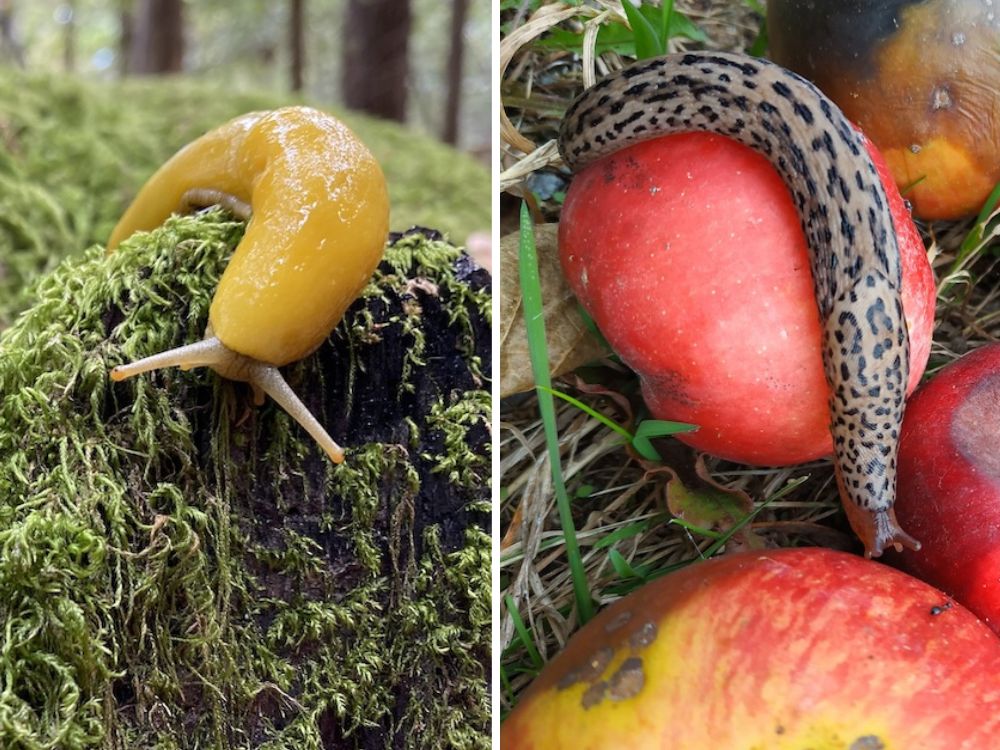
Have you ever seen a Banana Slug or a Leopard slug?  Under the right conditions slugs can be huge. Leopard slugs have black spots and can grow to be anywhere from 4-8 inches (10-20cm) long and up to 1 inch (2.54cm) in diameter. Yikes!


Left: Banana Slug / Right: Leopard Slug


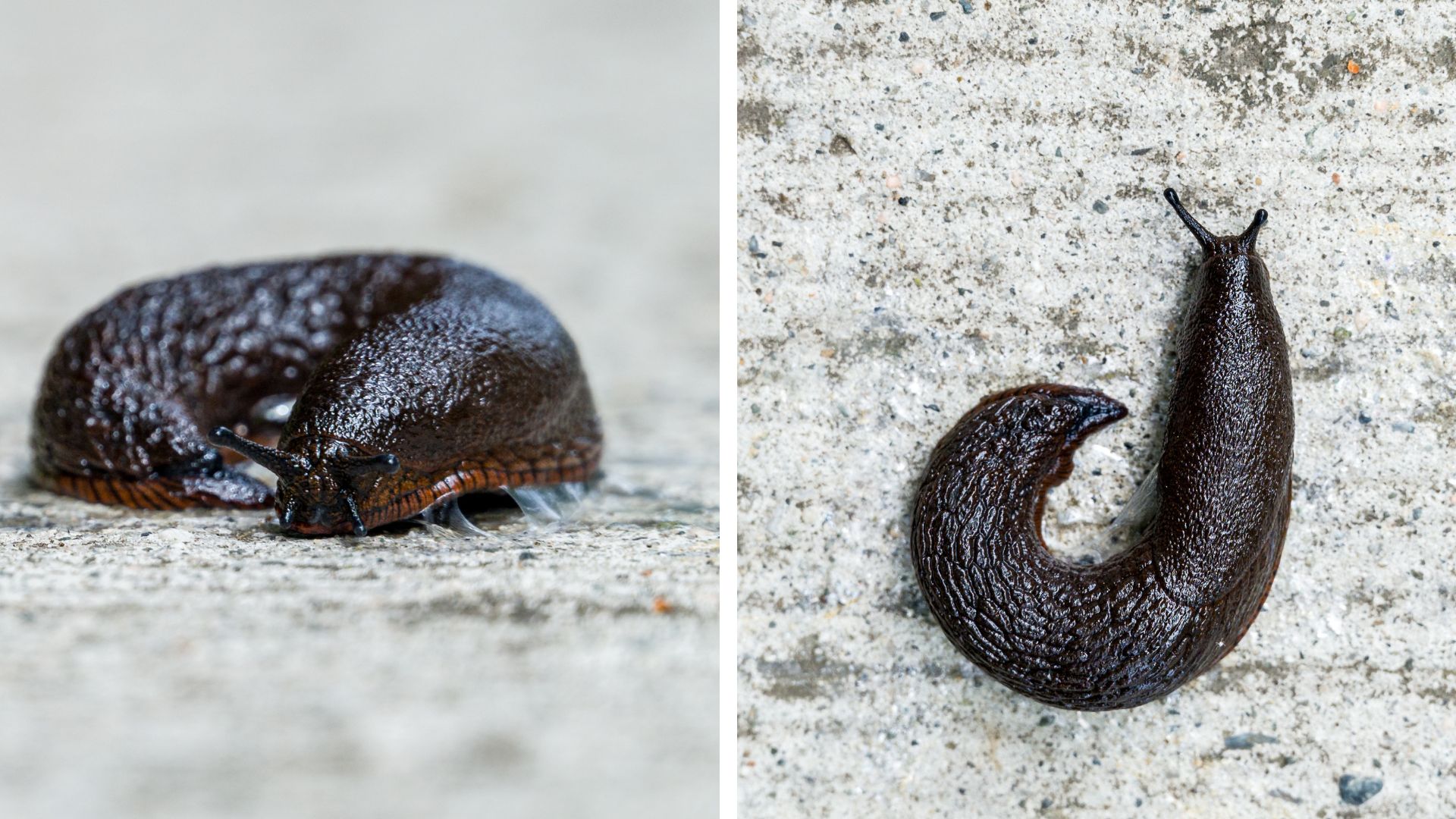
ANYway, one evening while out walking in my Seattle neighborhood, I became mildly disgusted at the sight of a couple of big shiny dog turds in the middle of the sidewalk. I thought “How lazy are the dog owners around here?” That’s when they started to move – ewww!


Apparently I surprised them. Their little antenna popped out and they took off (as fast as a slug can “take off”). These were big 5 inch (12.7cm) “black slugs” and they left a slimy trail all the way to the lawn.

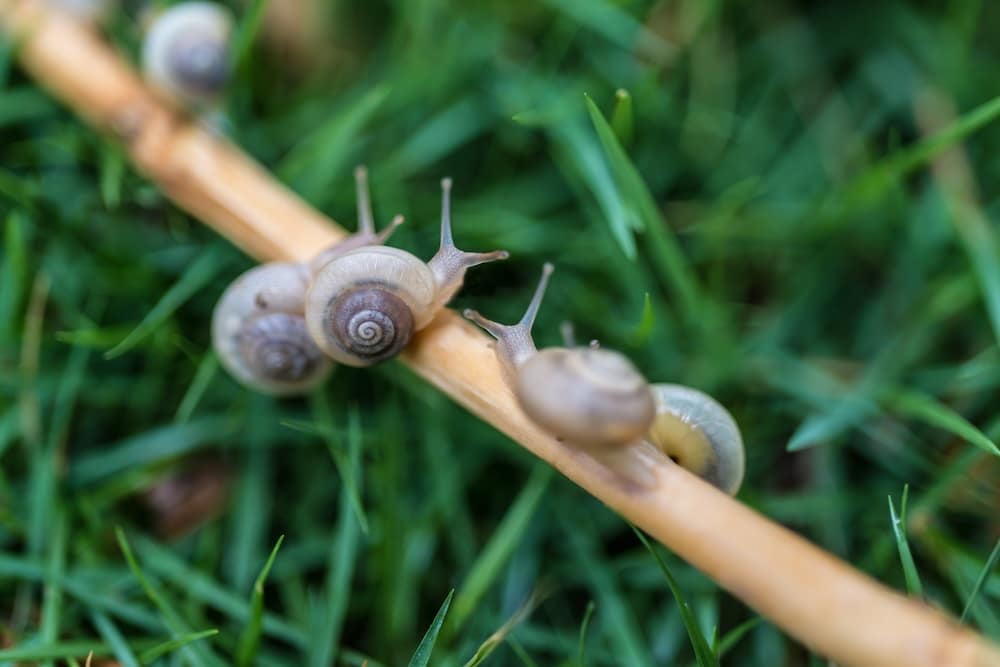
Not only that, but there are trillions of little snails everywhere. I got 7 tiny snails in my hair once just by brushing past ivy growing on my house…nice.


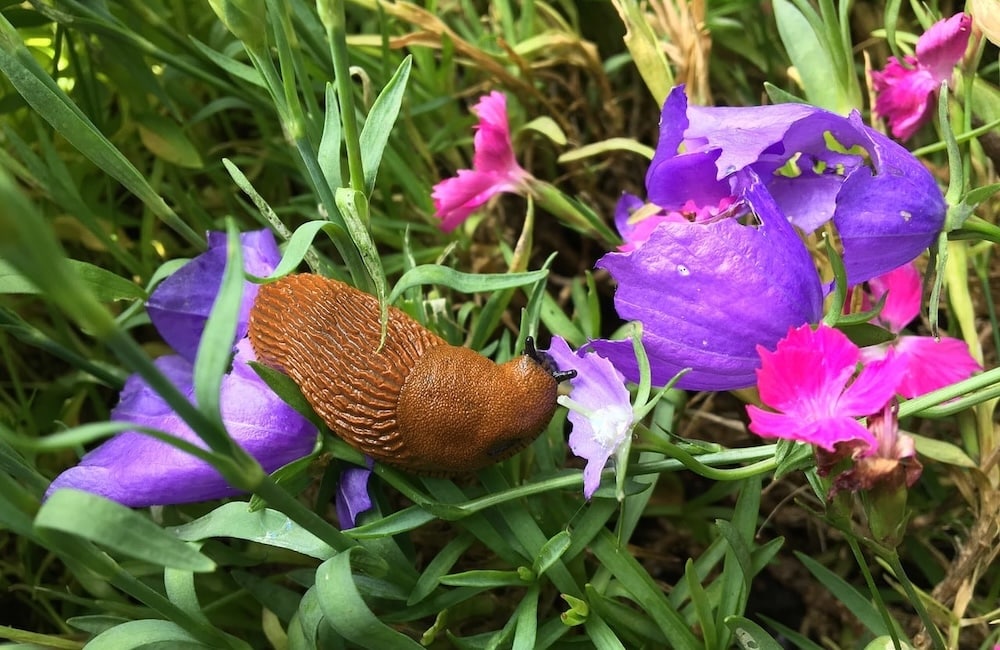
I had a couple of little petunia and pansy gardens in my backyard as well as raspberries in a container planter. As it turns out, slugs and snails just love petunias, pansies and raspberry leaves.

Overnight they feasted on my flowers and I was left with nothing but stems the next morning. Something had to be done!


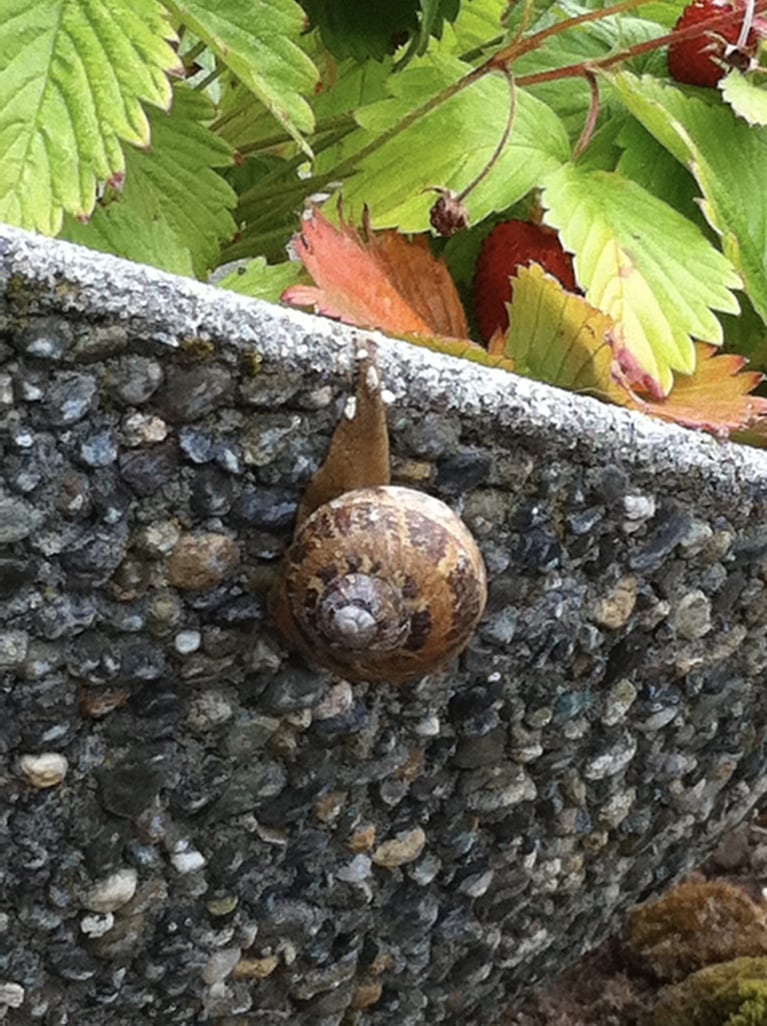
Headed to Breakfast. A snail on my container bowl.


Because I had two cats and two dogs that played in that yard, I only wanted a natural solution – no poisons or chemicals – not with little feet wandering about.

I called some of the local garden centers to find something natural and safe to use. Instead of being sold a product, this wonderful clerk gave me a super simple tip for umm, redirecting them as it were.


Here’s what you do:

  • Fill shallow tins (like tuna or cat food tins) with cheap beer ($1.49 a quart) and place them in your gardens where they are grazing on your prize whatever’s.
  • Place the tins at twilight or after dark in your garden near the flowers or vegetables that you’re having snail problems with. I do this at those specific times because I noticed that slugs and snails mostly have the evening and pre-dawn munchies. During the day they are usually hiding under a rock or some other place cool and out of the sun.
  • Pick the tins up in the morning (to keep your pets out of the toxic slug beer) and empty in the toilet to keep pets from digging it up and eating it.
  • What happens: Apparently, slugs and snails are attracted more to the hops in the beer than they are to the flowers. They climb into the tin, get drunk, pass out, and drown. I know it is kind of sad, but it’s better than torturing them with salt or poisons. And at least they get to party a little bit before the end.


If You Have Pets

  • Keep pets inside overnight when you put the tins out because they like beer too. I found that if the slugs and snails didn’t get to the beer tins first then my cats always ended up drinking it and getting drunk. Which was fun for the cats I guess but didn’t promote my cause at all!
  • You must empty the dead snail-filled tins every morning as there is the chance that your pets will drink what’s left of the beer and potentially eat the dead snails, which are toxic.
  • Accompany your pets outside to make sure they don’t get into the beer.


And there you have it.

This is a natural and fairly simple solution to a slimy garden problem no matter where you live. Good luck and let me know how it works out for you.

Here’s to keeping your yard and garden being slug free and poison free.


Cheers!


Views: 2

Crazy Halloween Fruit – Scary Goblin Fingers

Crazy Halloween Fruit – Scary Goblin Fingers

Just in time for Halloween!


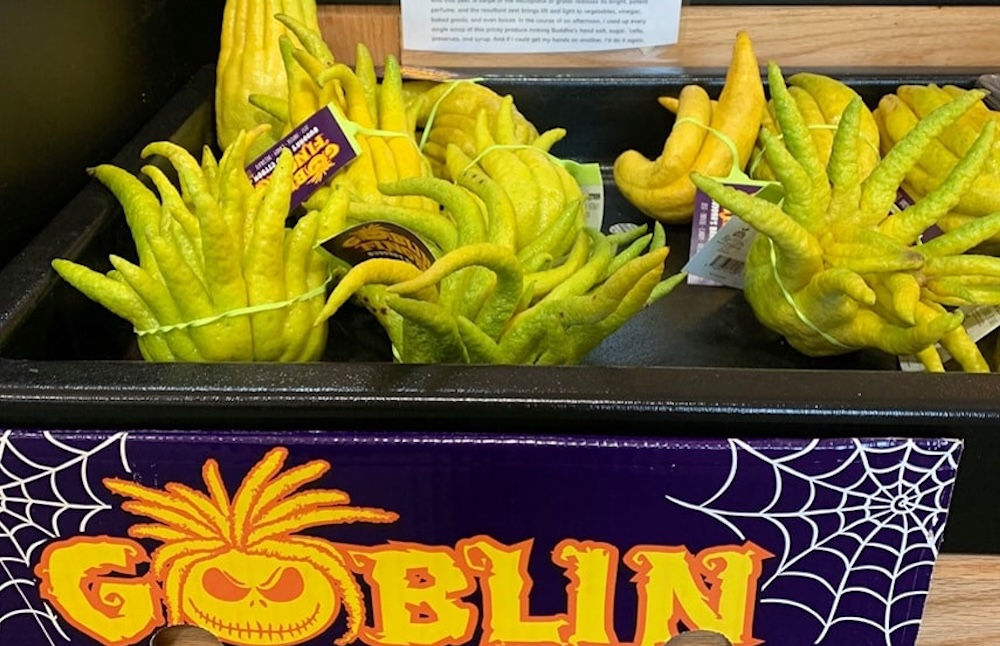
I was in the produce department the other day and came across these: “Goblin Fingers” – Yikes!

It turns out that this cleverly marketed and rare fruit is really called “Buddha’s Hand Citron”.

This wild looking fruit is actually a very old form of citrus. It’s been called “lemon with fingers” but has no flesh or juice inside. It’s all rind and pith.

Mostly it’s used for zest or for infusing into liquors or other spirits like lemon cello, and obviously fun for Halloween decor.

You can also make salts or sugars  with it and use it in pickles, preserves or salads and anything else you can think of. Its rind is not as bitter as that of a lemon and great for anything needing lemon zest.


Happy Halloween!


Views: 2