Overlooked Remedy for Itchy Mosquito Bites

Overlooked Remedy for Itchy Mosquito Bites

Summer is in Full Swing and so are the Mosquitos!


Mosquitos have always been the norm here in the upper Midwest due to the thousands of lakes and thick, lush plant life. It truly IS a paradise for these annoying little bloodsuckers.

The old joke around here is that the mosquito is actually our state bird. Thankfully they’re not as big as birds – yikes! At least you can see a bird coming – not mosquitos.

There’s no question about them being a worldwide problem. To combat the issue, many cities and local townships have a truck that slowly drives around the neighborhoods (usually at 2 or 3am) spraying for mosquitos. I’ve seen the trucks several times in my neighborhood, and I’ve got to say it does help bring their population down.

To be realistic, eradicating them completely will probably never happen, nor do we want to for the sake of the eco-system. Our best defense at present is to use repellant on our bodies and spray the neighborhoods. There are bug zappers, fly swatters, citronella coils and citronella plants to name a few, that help to stave them off, but they only go so far.

In the meantime we’ll still get bit and when we do, how can we relieve the inevitable itch that  follows?  There’s not much that can be done after the fact – like trying not to scratch! Yeah right.


Why Do Mosquito Bites Make Us Itchy?


Why does it itch when we get bit by a mosquito? Here’s what I found out:

When a mosquito bites us, it introduces their saliva into the skin. Mosquito saliva interferes with the blood’s ability to form clots. When there is no clotting, it allows a mosquito to feed uninterrupted.

Their saliva contains proteins that provoke a reaction from our immune system and in turn, our system responds by releasing histamines. These chemical messengers summon white blood cells to the affected area resulting in the typical itching sensation associated with mosquito bites.

I never used to be as allergic to mosquito bites as I am now. I don’t know if it’s me or if the mosquitos have become more powerful.

When I was younger and got bit by a mosquito, a small itchy little bump would appear. But now, those “little bumps” can get quite large! Most times, they’ll swell up fairly quick to the size of a large grape cut in half (without scratching).

And other bites, well… check it out.
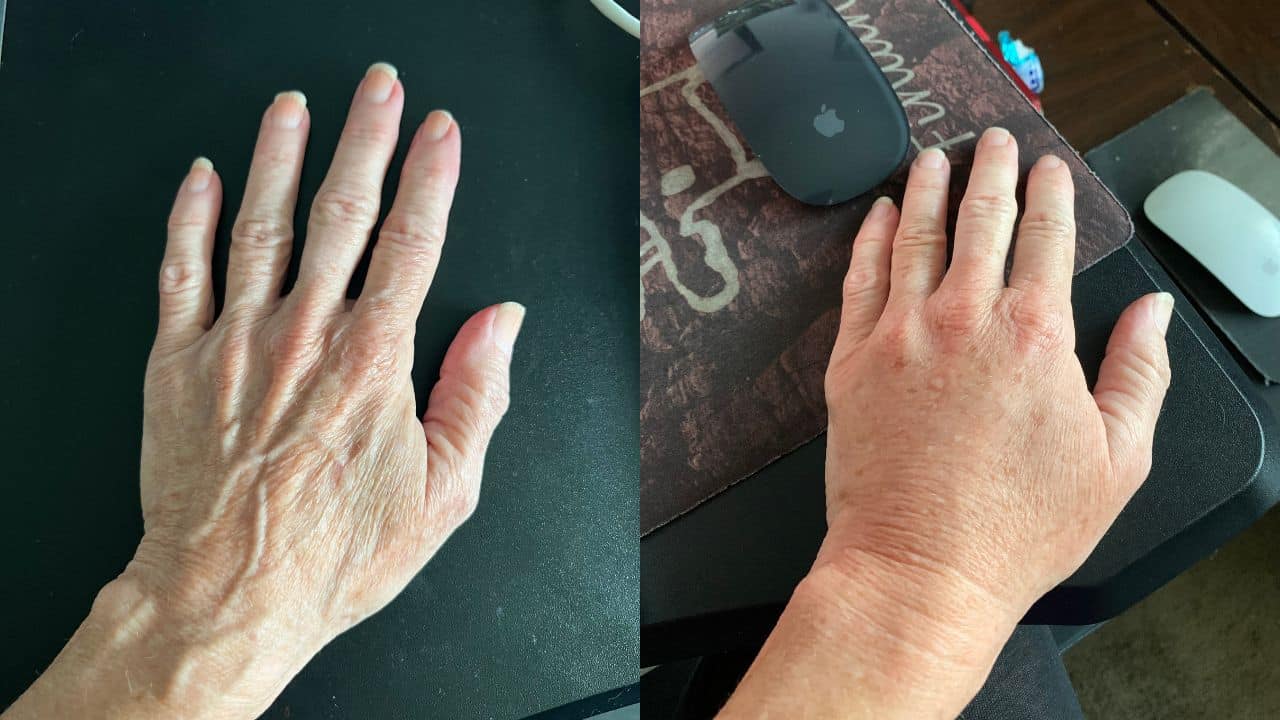
 

Left: My Normal Hand / Right: My Hand after a Mosquito Bite.


If I scratch, the effects of the insect’s saliva tends to spread out and therefore that little bump becomes much bigger.

Of course it makes sense not to scratch – if only that were possible.

The only thing I could use in the past was my best Jedi mind tricks on them hoping that the “mind over matter” thing would work – uh, nope.

Later on, I tried the classic itch reliever “Calamine Lotion”, but it left a coating on my skin that got on everything. Plus, it was rubbed off too easily by my clothing and it didn’t really help me out that much. I even reapplied it hoping to ease the itching. It was… ok. I had to find something better.

That’s when I started checking out different lotions and salves used for sore muscles and compared the numbing ingredients in each. Most of these products mention that they can also be used for bug bites, but not all of them contain enough of the right ingredients.


So… what really works to quickly calm an itchy mosquito bite?


My 3 Favorite Itch/Muscle Relieving Product Lines


One note, as with any of these, it may need to be reapplied (depending on the power of the mosquito bite) to keep the itch at bay. But they work pretty quickly to bring relief.  A little transparency here: I still have to use Jedi mind tricks to not scratch while I wait a few minutes for them to kick in properly. Like I said, it all depends on the power of the mosquito’s bite.


Tiger Balm Product Line

Tiger Balm Neck & Shoulder Rub:

Active Ingredients: Menthol10% / Camphor 11%

Other Ingredients include Lavender and Eucalyptus which contribute nicely to the fragrance.

I like this creamy lotion a lot. It works great on my bug bites and is wonderful for my sore muscles and joints.

The Lavender gives it has a sort of floral fragrance mixed with Eucalyptus and the Menthol.  I like that it rubs into my skin without leaving any surface residue or oils. AND it stays on!

It come in a tube so it’s easy to throw in your bag to have handy when bugs attack or even when your muscles start to ache while on the road.

Where to find it: I found Tiger Balm Neck & Shoulder Rub on Amazon.

Click here for the link on Amazon.


Tiger Balm Ultra Strength: My #1 Tiger Balm Favorite

Active Ingredients: Menthol 11% / Camphor 11%.

Other Ingredients that contribute to the overall numbing power are: Cajeput Oil (similar to Tea Tree Oil), Cassia Oil (cinnamon oil), and Clove Oil.

What I like about it:  Tiger Balm Ultra Strength (unlike lotions) is a thick balm/ointment making it more waterproof helping it to stay put and last longer. And I really love the cinnamon/menthol scent! Sounds terrible but somehow it works nicely.

You can choose between a 1.7oz (50g) Tin or a 0.63oz (18g) Jar.

Click here for the link to the 1.7oz (50g) Tin

Also, the Cajeput, Cassia (cinnamon), and Clove Oils not only add to the fragrance but also work to step up the soothing effect which also relieves the itching for a lot longer than anything else I’ve tried.

Click here for the link to the 0.63oz (18g) Jar.

When it comes to the Tin and the Jar, I like them both, I use them both – for different reasons.

The Tin holds more BUT, it’s hard to open which makes me crazy when I’m itchy!  However, it’s a great size when you need more coverage for achy muscles.

The Jar is smaller, and I can open it faster. I have one on my desk and carry one in my bag for quick access, and a tin in my suitcase for use on larger areas like muscles.

Where to find it: Walgreens, Walmart or CVS’s. So far  I’ve been ordering it online from Amazon.


Tiger Balm “Red”: 

Active Ingredients: Menthol 11% / Camphor 11%.

Other Ingredients that contribute to the overall numbing power are: Cajeput Oil (similar to Tea Tree Oil), Cassia Oil (cinnamon oil), and Clove Oil.

It contains everything that’s in the “Ultra Strength” above, but it has a kind of orangish-red color from the cinnamon which can stain your clothing. I don’t use this one at all but wanted to mention it.  

Where to find it: I haven’t seen it on the shelves in any of my local grocery stores, Walgreens, Walmart or CVS’s. So far  I’ve been ordering it online from Amazon.

Click here for the link to the Tiger Balm Red version 0.63oz (18g) Jar


Thai White Balm Monkey Holding Peach (that’s really its name) from Thailand

Active Ingredients: 19% Menthol / 3% Methyl Salicylate / 22% Camphor.

Other ingredients include Eucalyptus Oil, Cinnamon Oil, Peppermint Oil, and Clove Oil. These also boost the numbing effect and lasts quite a while.

Monkey Holding Peach duo-pack 18gm Jar and small 8g Tin

What I like about it:  I tried this one and I really like it. It’s super strong and stopped the itching fast! It comes in a small 0.28oz (8g) Tin for your pocket or purse,  and a in a small 0.63oz (18g) Jar and runs about $13 for at the link below for the duo-pack.

Where to find it: Again, I’ve only been able to find it on Amazon.

Click here for the link to White Monkey Holding Peach Balm


Icy Hot

Icy Hot Original in the Tube:

Active Ingredients: Menthol 10% / Methyl Salicylate 30%

It’s not my first choice but early on in my bug bite research I happened to have some “Icy Hot” lotion in my medicine cabinet and thought I’d give it a try.

It had quite a bit of Menthol and Methyl Salicylate in it (ingredients that numbs the skin and muscles) and it worked really well. It did seem to fade fairly quickly but I think that’s because it’s light “lotion” as opposed to a “balm” which is thicker.

Icy Hot has a few different options: a cream, a balm, and one that has Lidocaine in it. I haven’t tried the Balm or the Lidocaine versions, so I didn’t include them below.

You’ll most likely need to reapply it once or twice when it starts to get itchy again, but it does give good relief. And, it’s in a handy tube.

Where to find it: Icy Hot Original can be found for around $6 at most grocery stores, Amazon, Walgreens, Walmart, CVS, etc.


The Bottom Line

No matter which muscle reliever you choose for mosquito bites, make sure it includes enough Menthol, Camphor, Clove (or whatever you prefer), to numb the skin.

These ingredients will calm that miserable itch long enough for the mosquito bite to fade on its own. Yay!

And as a bonus, you’ll also have a great muscle reliever on hand for those other moments when life throws pain at you.


Stay Safe and Itch-Free this Summer! 


Mirrorbee may earn compensation from affiliate links in posts at no cost to you. If you have any questions please feel free to reach out to us directly through our Contact Page.

Views: 2

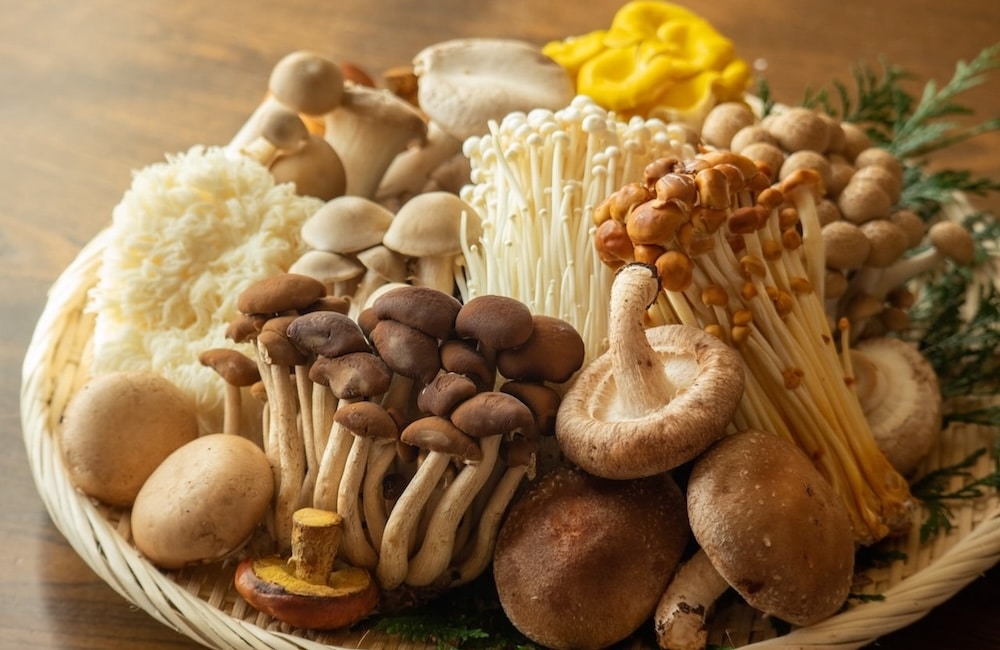
7 Culinary Mushrooms You Need to Try

7 Culinary Mushrooms You Need to Try

Add a touch of elegance to everyday meals with culinary mushrooms


I absolutely love cooking with mushrooms and I’m not the only one.

Mushrooms have been prized for their flavors, textures, and versatility in cooking for thousands of years.

Since there are so many different kinds of mushrooms out there (besides the classic white button) I thought I would narrow my list down to seven types that you should definitely check out.

Due to the rising popularity of mushrooms, many on this list are fairly easy to find. Higher-end grocers such as Whole Foods will usually carry a larger selection than found at most grocery stores.

If you’re feeling adventurous, “Sampler” packs are sometimes available. I’ve gotten 3-4 different mushrooms in one sampler pack and it kind of forced me to try some new recipes that I might not have tried otherwise.

Anyway, below are my top 7 culinary mushrooms picks, along with a few details about their history, appearance, flavor, uses, and some of their health benefits.


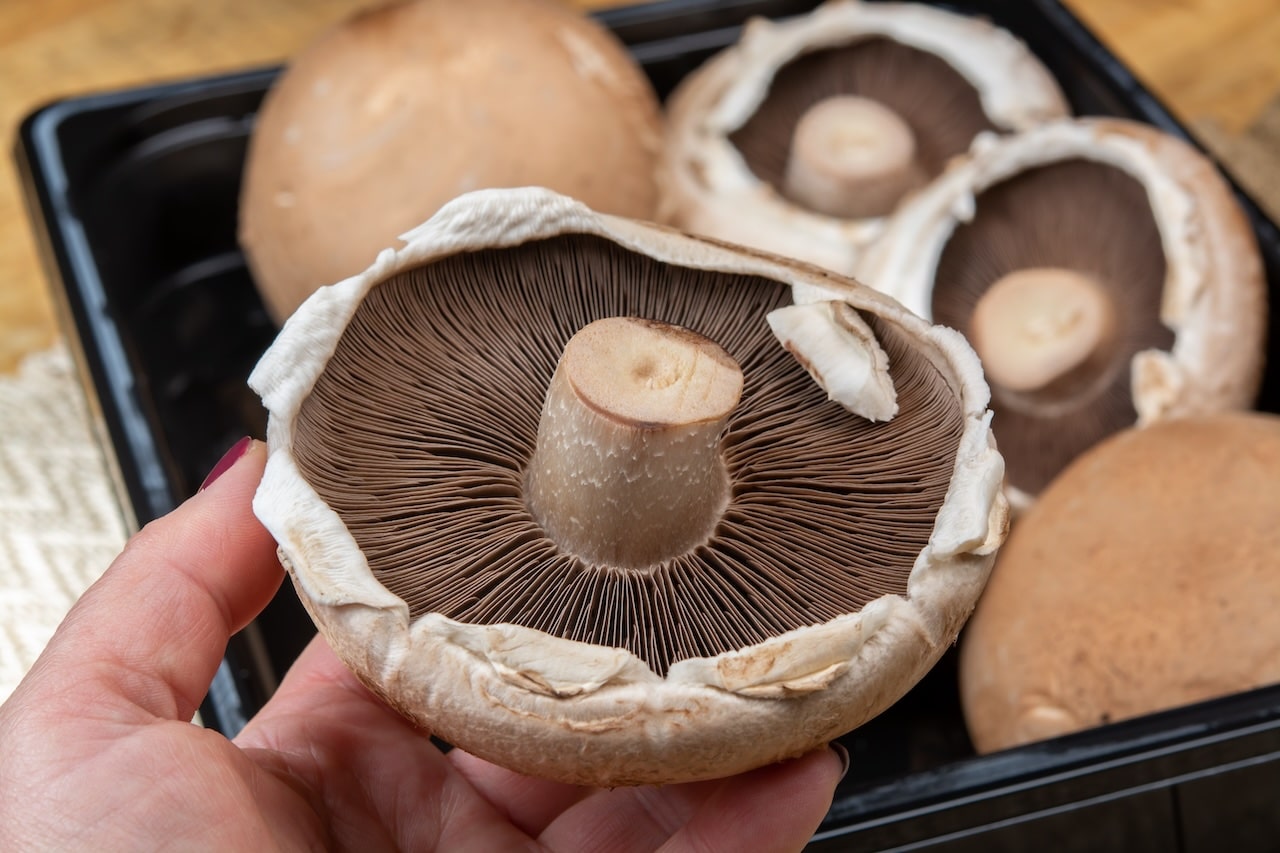
1. Portobello (Agaricus bisporus


Portobello mushrooms are what you get when an ordinary white button mushroom keeps growing to maturity – seriously!


These giant mushrooms are excellent for stuffing or grilling. They are very popular in vegetarian dishes as an alternative to meat.

History: Originally cultivated in Italy, Portobello mushrooms are the mature form of the common button mushroom.

Appearance: Large, flat cap with a dark brown color and visible gills underneath.

Flavor: Rich, meaty flavor with an umami depth.

Uses: Often used as a meat substitute in vegetarian dishes, grilled, stuffed, or baked.

Recipes: Grilled Portobello Mushrooms. Portobello Mushroom Burger. Stuffed Portobello with Quinoa, or stuffed with crab and cream cheese – so many options!

Healthy: Portobello mushrooms are rich in Antioxidants, a great source of dietary fiber, and help to support the immune system. Additionally, they’re low in calories and high in nutrients like B12, niacin, riboflavin and potassium.


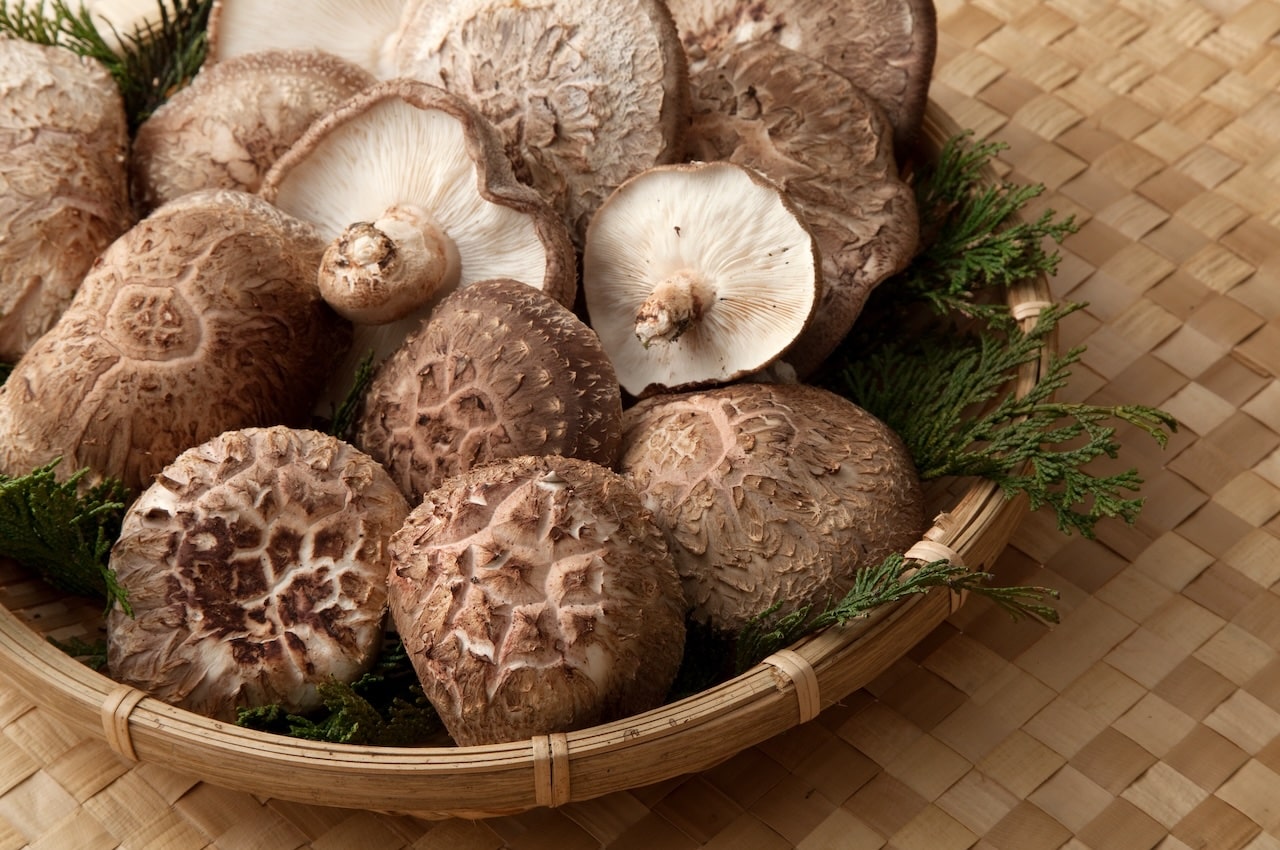
2. Shiitake (Lentinula edodes)


I’ve been eating a lot of Shiitake Mushrooms lately. Excellent with omelets, soups and other dishes.


They’re great for your immune system too!

History: Shiitake mushrooms have been cultivated in Asia for over a thousand years. They are an integral part of Chinese and Japanese cuisines and are also valued in traditional medicine.

Appearance: Shiitake mushrooms have a brown, umbrella-shaped cap with a slightly curled edge. The stems are tough and woody, often discarded before cooking.

Flavor: They have a savory, umami flavor with a slight smokiness. When dried, the flavor becomes even more concentrated.

Uses: Shiitake mushrooms are used in stir-fries, soups, noodle dishes, and as a topping for rice. They are also popular in vegetarian dishes for their meaty texture

Healthy: Shiitake are famous for supporting a healthy immune system. They are rich in antioxidants like selenium and also help to reduce inflammation thereby helping to protect the heart. Shiitake contain kojic acid and a rich content of B vitamins which both help to improve skin health by promoting cell turnover.


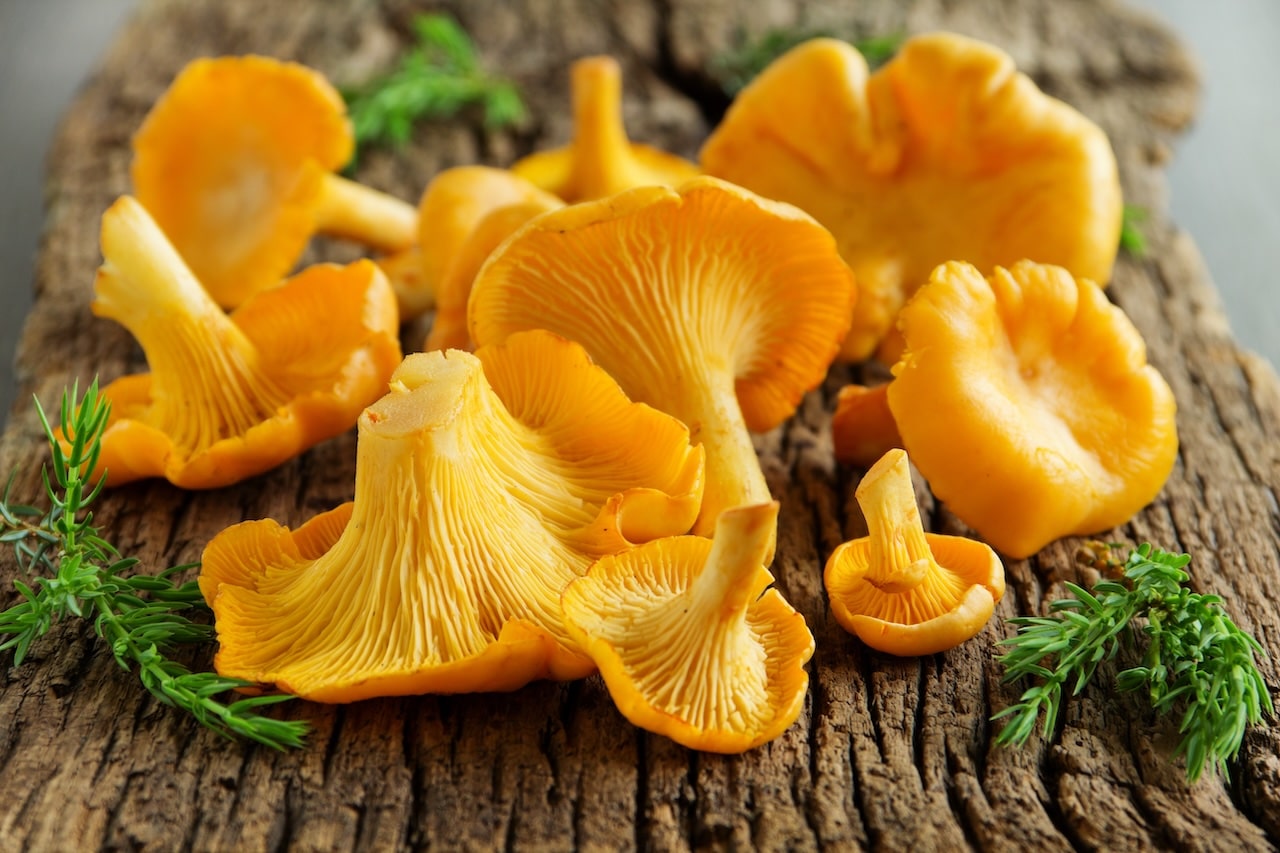
3. Chanterelle (Cantharellus cibarius)


Chanterelle mushrooms are such a beautiful color!


They’re delish in creamy soups, and with eggs!

History: Chanterelles have been foraged and enjoyed in European and North American cuisines for centuries. They’re most often associated with French cuisine.

Appearance: Chanterelles are funnel-shaped with wavy, wrinkled edges. They range in color from yellow to deep orange and have a delicate, smooth texture.

Flavor: They offer a delicate, fruity flavor with notes of apricot and a slightly peppery finish. The texture is firm but tender.

Uses: Chanterelles are excellent sautéed with butter, used in sauces, or paired with eggs. They are also delicious in creamy soups and pasta dishes.

Healthy: Chanterelles are high in antioxidants as well as vitamins and minerals including beta-carotene, vitamins A, C, D, B2, and Copper. Plus, they have shown antimicrobial properties which may help protect against bacterial and fungal infections.


4. Morel (Morchella spp.)


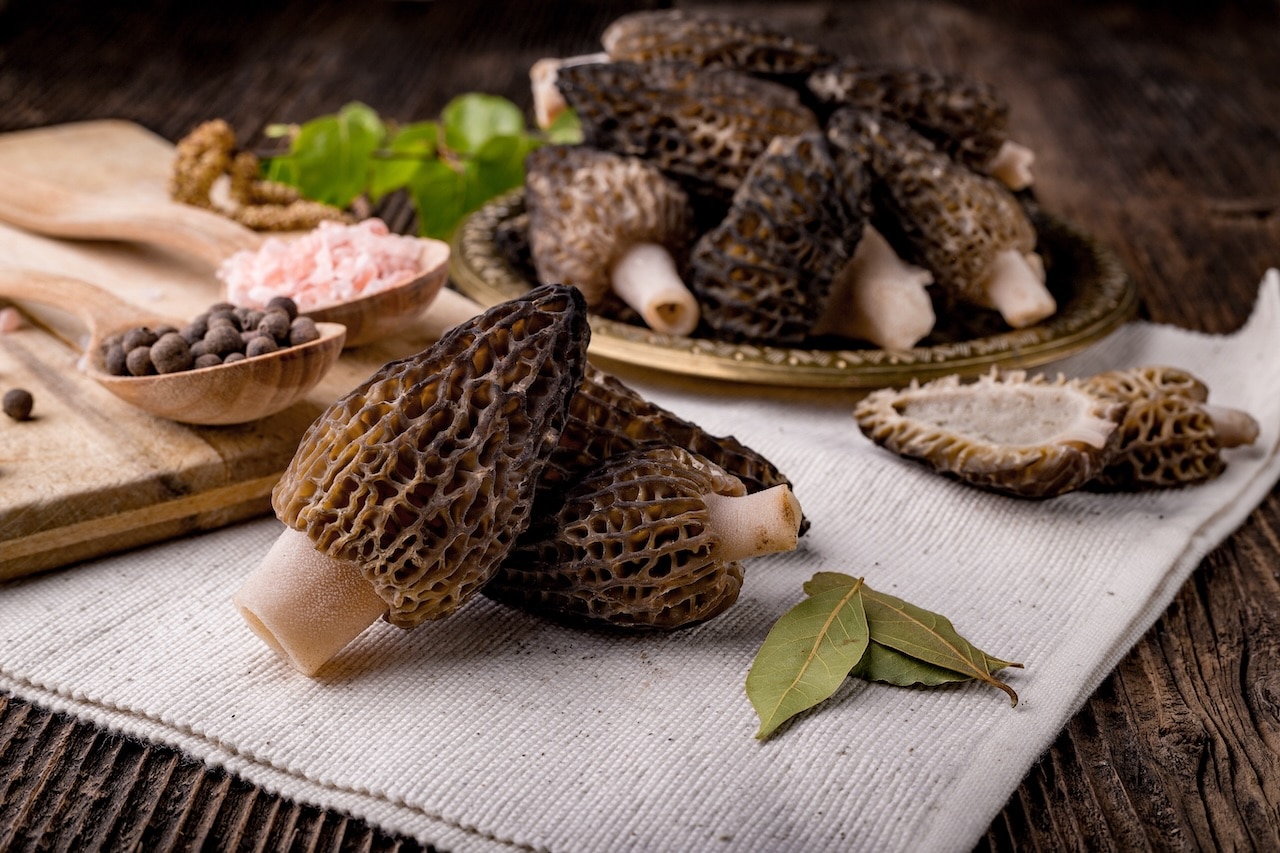
These crazy looking mushrooms are usually found in forests.


Better yet, play it safe and find them at your local grocery store.

History: Morels have been foraged and consumed for centuries, particularly in Europe and North America. They are highly sought after by chefs and mushroom enthusiasts.

Appearance: Morels have a distinctive honeycomb-like, spongy cap that ranges in color from light tan to dark brown. They are hollow inside.

Flavor: They have an earthy, nutty flavor with a hint of smokiness. The texture is firm yet tender.

Uses: Morels are often sautéed in butter, used in cream sauces, or paired with meats like chicken or beef. They are also popular in French cuisine.

Healthy: Morels are rich in vitamins D, and B-complex (B1, B2, B3, and B6), and minerals such as iron, copper, potassium, and manganese. They’re high in antioxidants, supports immune function, low in fat, high in protein and fiber. They also contain antibacterial properties.


5. Oyster (Pleurotus ostreatus)


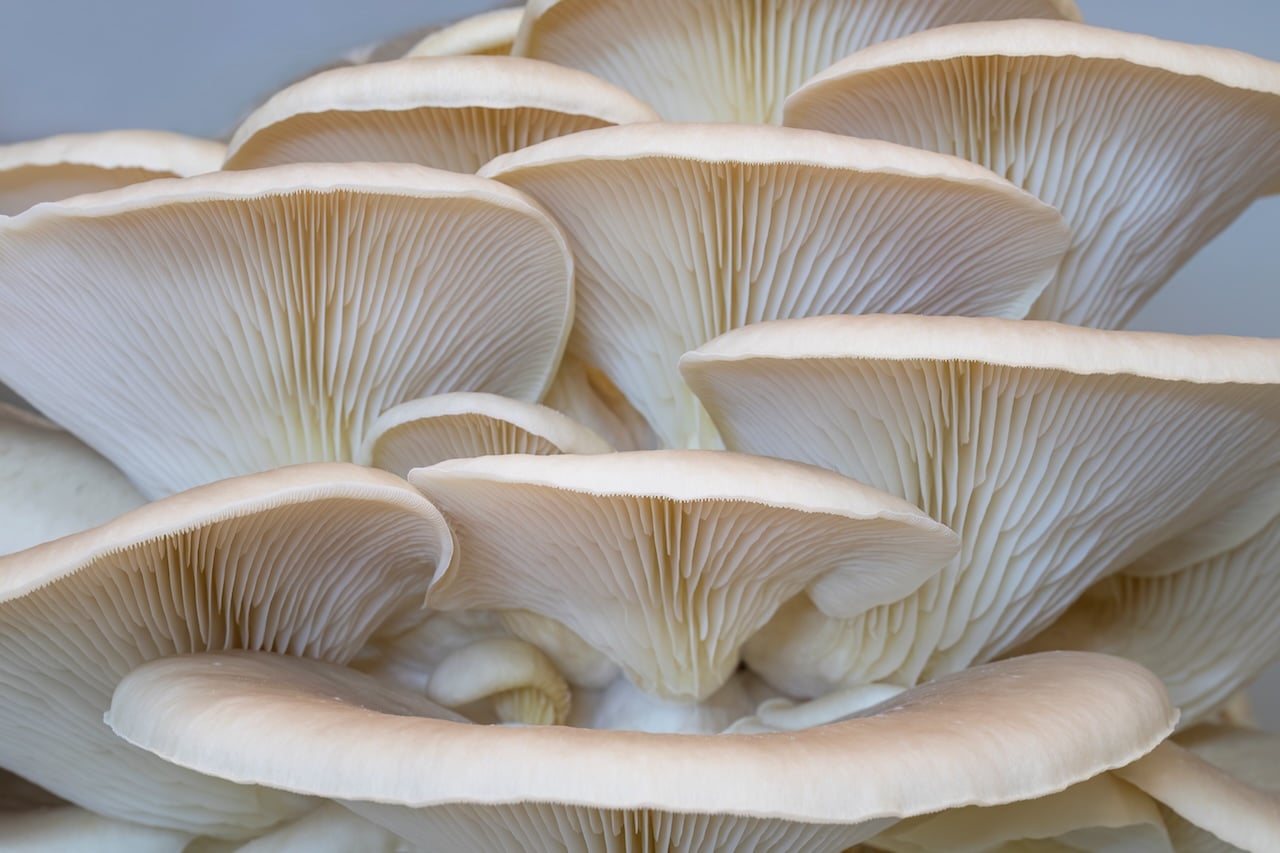
These Oyster mushrooms are so pretty!


They also come in different colors such as white, blue, gray and even pink.

History: Oyster mushrooms have been cultivated for over a century and are popular in various cuisines worldwide, particularly in Asia and Europe.

Appearance: Oyster mushrooms have a broad, oyster-shaped cap that ranges in color from white, blue,  gray, brown, and even pink! They grow in a shelf-like formation.

Flavor: They have a mild, slightly sweet flavor with a delicate texture. When cooked, they can take on a slight anise or seafood-like taste.

Uses: Oyster mushrooms are versatile and can be used in stir-fries, soups, and as a meat substitute in vegetarian dishes. They are also excellent when grilled or roasted.

Healthy: Oyster mushrooms are low in calories yet packed with nutrients. They provide essential vitamins such as B vitamins (B1, B2, B3, B5), minerals like zinc, potassium, magnesium, and selenium, and are also a good source of dietary fiber. Their benefits range from immune support to heart health, anti-inflammatory effects, and more.


6. Enoki (Flammulina velutipes)


I love Enoki in soups. They’re also a great addition when you’re cooking up a quick ramen.


They are a very versatile mushroom than can also be deep fried, or used in wraps.

History: Popular in East Asian cuisines, especially in Japan, where they are known as “enokitake.”

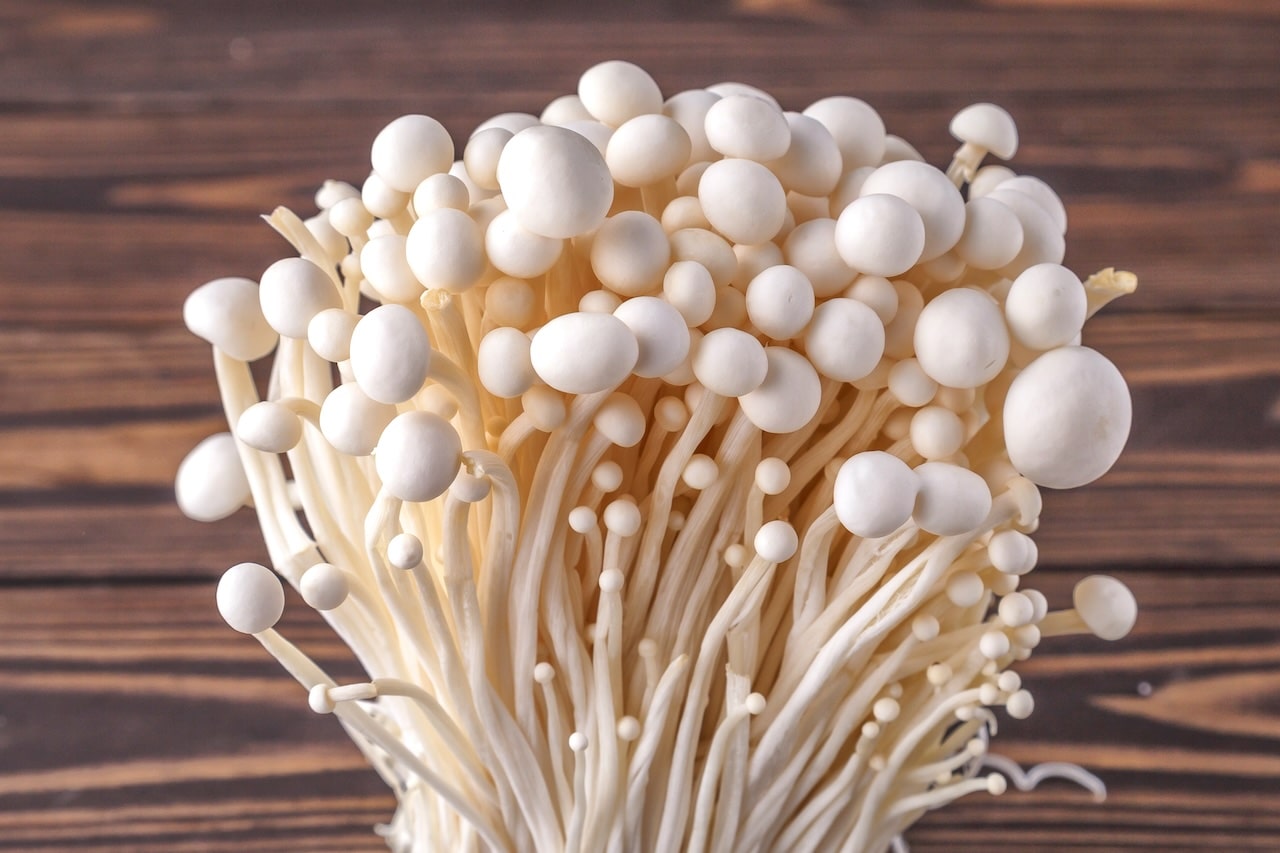
Appearance: Long, thin stems with small white caps, often sold in clusters.

Flavor: Mild, slightly fruity with a crunchy texture.

Uses: Often used in soups, salads, or as a garnish for dishes.

Recipes: Enoki Mushroom Salad, Enoki Miso Soup, Ramen, Stir-fried Enoki with Soy Sauce.

Healthy: Enoki mushrooms offer a range of health benefits such as being rich in antioxidants and bioactive compounds. They support immune function, cardiovascular health, digestion, as well as brain and cognitive functions.


7. Truffle (Tuber spp.)


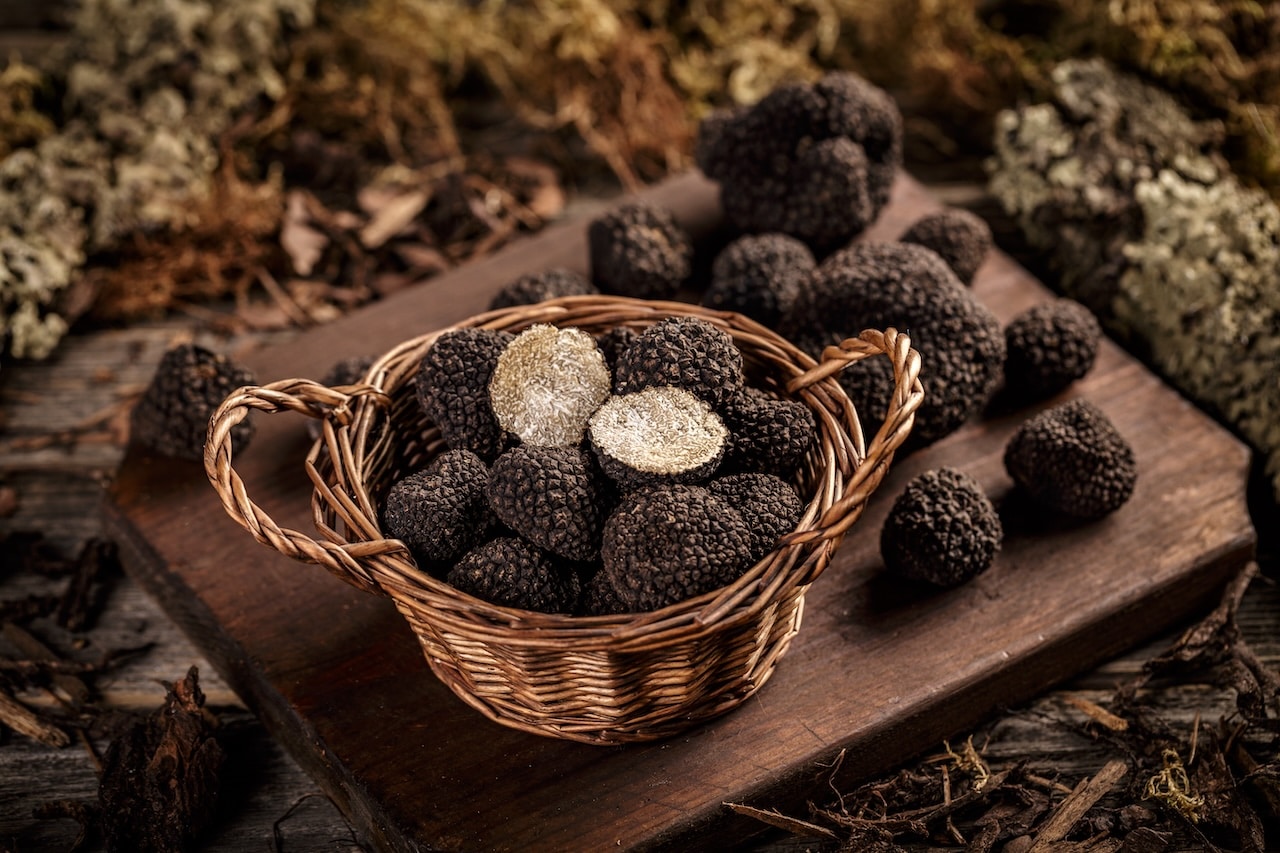
These are truffles… they hardly look like a mushroom!


Truffles are silly expensive.  Depending on the variety they can cost anywhere from $3.00 to $5,000 a pound – yikes!

History: Truffles have been considered a delicacy since ancient times, particularly in Europe. They have a rich history in French and Italian cuisine and are often associated with luxury.

Appearance: Truffles are small, lumpy, and irregularly shaped. They can be black, brown, or white, depending on the species. The interior is marbled with white veins.

Flavor: Truffles have a strong, earthy aroma and a complex, musky flavor that is both garlicky and nutty.

Uses: Truffles are typically shaved or grated over dishes like pasta, risotto, and eggs. They are also infused into oils and used to flavor various gourmet products.

Healthy: Truffle mushrooms are not just a luxury food item; they offer a variety of health benefits due to their rich content of antioxidants, proteins, and essential minerals. Regular consumption may help support immune health, reduce inflammation, and promote heart health.


In Summary

Culinary mushrooms are celebrated not only for their unique flavors and textures, but also for their versatility in various culinary traditions around the world as well as their overall health benefits.

Have fun and experiment with different mushrooms to create your own 5-star meals!


Views: 0

Best Flowers to Plant for Bees and Butterflies

Best Flowers to Plant for Bees and Butterflies

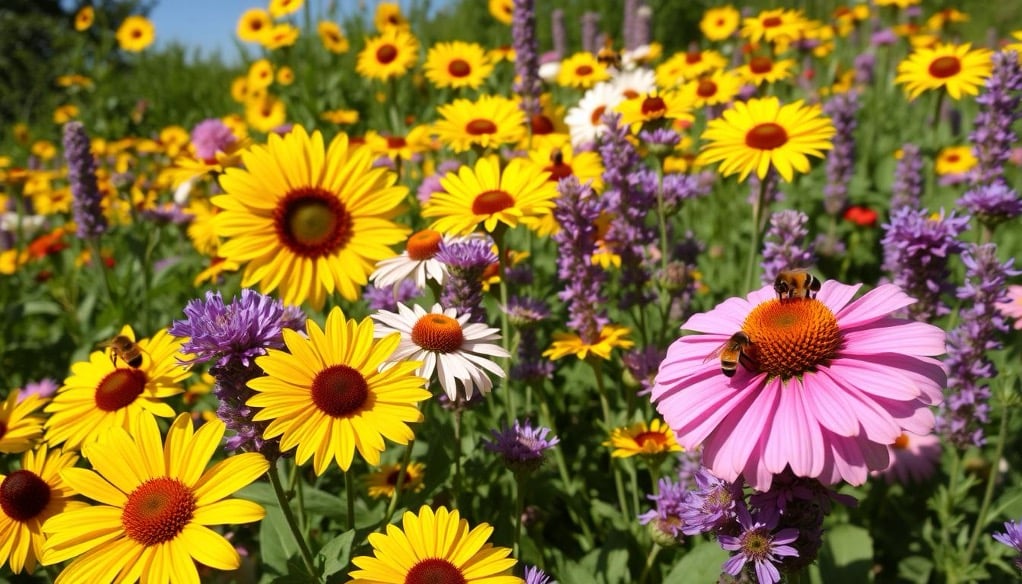
When searching for the best flowers to plant for bees and butterflies…

Keep in mind that the best flowers have bright colors and easy access, but they also need to provide ample nectar and pollen.

Here are some suggestions that fit the bill to support these important pollinators:


Perennials (These Return Every Year)

Lavender (Lavandula) – Bees love its strong scent, and butterflies are drawn to its nectar.

Echinacea (Coneflower) – A long-lasting bloom that provides nectar for butterflies and pollen for bees.

Bee Balm (Monarda) – A magnet for both bees and butterflies, with bright red, pink, and purple flowers.

Black-Eyed Susan (Rudbeckia) – A favorite for many pollinators, providing nectar in summer and seeds for birds in fall.

Salvia (Sage) – Comes in many varieties and is irresistible to bees and butterflies.

Yarrow (Achillea) – Flat-topped clusters are easy for butterflies to land on and gather nectar.

Milkweed (Asclepias) – Essential for monarch butterflies, as it serves as a host plant for their caterpillars.


Annuals (These Need to Be Replanted Every Year)

Zinnias – Butterflies especially love these easy-to-grow, bright-colored flowers.

Cosmos – A favorite of bees and butterflies, with long-lasting blooms.

Sunflowers (Helianthus) – Offer nectar for pollinators and seeds for birds later in the season.

Marigolds – Attract butterflies and deter pests in your garden.


Flowering Herbs

Thyme – Small flowers loved by bees.

Oregano – A favorite among honeybees.

Basil (When Allowed to Flower) – Produces nectar-rich flowers.

Mint – Pollinators love the blossoms, but mint can spread aggressively.

Rosemary – Provides nectar in early spring.


Shrubs & Vines

Butterfly Bush (Buddleia) – True to its name, this shrub attracts tons of butterflies.

Lantana – A long-blooming shrub that draws in both bees and butterflies.

Honeysuckle (Lonicera) – A vine that produces sweet, nectar-rich flowers.

Lilac (Syringa) – Offers fragrant springtime blooms loved by butterflies.


Tips for a Pollinator-Friendly Garden

Choose native plants – Local pollinators prefer native flowers.

Plant a variety of flowers – Different shapes, colors, and bloom times ensure a steady food supply.

Avoid pesticides – Many insecticides harm pollinators, even if they’re labeled as organic.

Provide water sources – A shallow dish with stones can help butterflies and bees drink safely.


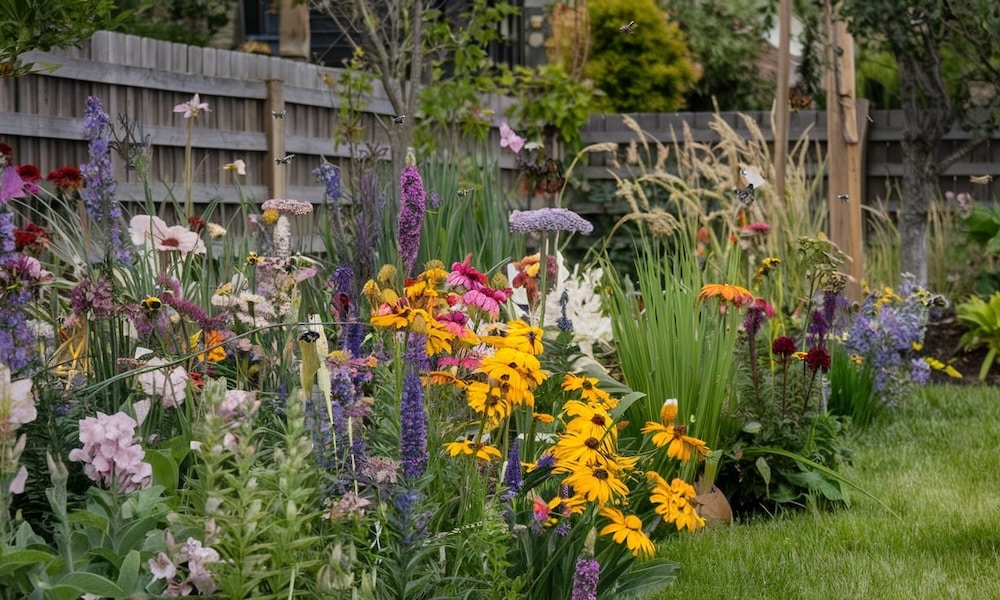
Pollinator-Friendly Garden Layout Plan


Here are some key elements to keep in mind:

Layered Heights – Tall plants in the back, medium-height plants in the middle, and low-growing flowers in the front.

Continuous Blooming – Selecting plants that bloom at different times ensures nectar availability throughout the seasons.

Color Variety – Bees love blue, purple, and yellow; butterflies prefer red, pink, orange, and purple.

Water & Shelter – A small dish with stones for water and some sheltered areas for resting.


Garden Layout Advice

Create a layered look with tall plants like sunflowers and a butterfly bush at the back, medium-height plants like echinacea and black-eyed Susan in the middle, and low-growers like lavender at the front. This arrangement ensures each plant gets enough light and adds an aesthetically pleasing tiered effect to your garden.


a-photo-of-a-layered-garden-with-lavender-in-front-tall-sunflowers-in-back

Back Row (Tall Plants – 3-5 ft+) (North Side for Sun Lovers)

Butterfly Bush (Buddleia) – Blooms summer to fall, attracts butterflies & bees.

Milkweed (Asclepias) – Essential for monarchs, hosts caterpillars.

Sunflowers (Helianthus) – Provides nectar for bees and later seeds for birds.

Joe-Pye Weed (Eutrochium purpureum) – A butterfly magnet with tall pink blooms.


Middle Row (Medium-Height Plants – 1-3 ft)

Echinacea (Coneflower) – Summer-long nectar source, great for bees & butterflies.

Black-Eyed Susan (Rudbeckia) – Long bloom season, loved by pollinators.

Bee Balm (Monarda) – Red and purple varieties attract hummingbirds too.

Lantana – Heat-tolerant shrub that provides nectar from summer to frost.

Yarrow (Achillea) – Flat-topped flowers make easy landing spots for butterflies.


Front Row (Low-Growing Flowers & Herbs – Under 1 ft)

Lavender (Lavandula) – Provides nectar and repels pests.

Thyme & Oregano – Flowers attract bees, plus they’re useful in cooking.

Marigolds – Add vibrant color and deter pests naturally.

Zinnias & Cosmos – Perfect for butterflies, easy to grow and re-seed.


Bonus Features for a Pollinator Oasis


Puddling Station for Drinks and Rest

Place a shallow dish with wet sand and stones in your garden so bees and butterflies can land and drink.


Bee-Friendly Shelters

Bee hotels made of hollow bamboo or drilled logs for solitary bees.

Leaf piles and undisturbed ground areas for nesting.


Sunny Spots

Butterflies need the sun to warm up before they fly. Add a few flat rocks to help them bask.


Pollinator Protection

To keep your garden a true refuge for pollinators, opt for natural pest control methods and avoid pesticides, which can harm these beneficial insects. By planting a mix of annuals, perennials, and herbs, and providing water and shelter, you can create a thriving habitat that supports the local ecosystem and brings your garden to life.


I hope this helped. Wishing you the best blooms and the busiest bees!


Views: 73

Giant Hay Bee in Minnesota

Giant Hay Bee in Minnesota

With the countless agricultural farms in the midwest producing food for the country and the world, it takes a lot of bees to keep up with the demand of pollenating it all.  While I was driving through the back roads of Minnesota, I came across the biggest bee ever! I had to pull over and take this shot.

It was the local 4-H chapter’s clever way of advertising “Bee-Long to Nicollet County 4-H”.  I hope it brought in lots of new members!

Views: 103

My Favorite Vanilla Incense

My Favorite Vanilla Incense

Finally, a vanilla incense that smells lovely.


Being a fragrance nut, I’m super picky about what I allow to pass through my olfactory senses. And boring as it may sound, my favorite scent and flavor is vanilla.

To me, vanilla is the base note of everything yummy (including chocolate cake). There’s just something about it that’s pure, calming, welcoming and delicious. It says “home” and defines all good things surrounding it.

Throughout my my quest for the perfect vanilla scent, I’ve come across loads of so-called “vanilla” perfumes, essential oils, candles and incense. However the majority of them don’t smell yummy or like home at all, they’re usually just super sweet with a side of chemicals and/or smoke.

Then one day, a friend that I was traveling with lit a stick of an incredible Japanese vanilla incense she had brought with her. I was instantly hooked! It had a nice touch of vanilla with a woodsy outdoor finish. Not only was it a very natural fragrance but it also came with a fantastic bonus – hardly any smoke at all!

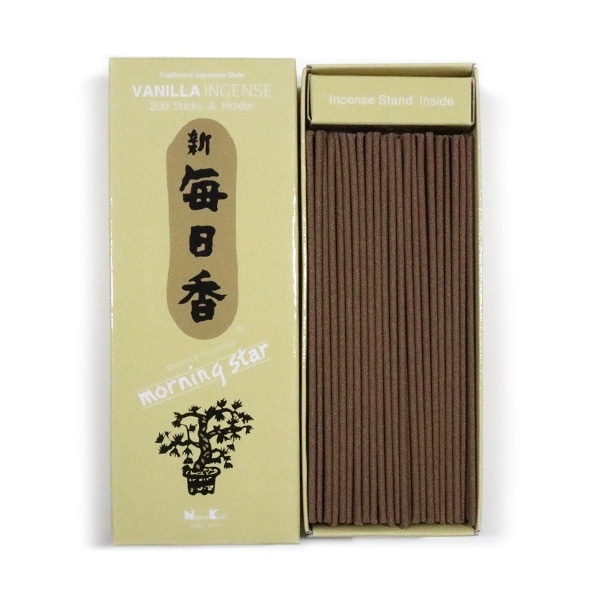
The incense is called “Vanilla” from the Morningstar line of incense made by Nippon Kodo (a very old company that’s been manufacturing high-quality incense in Japan since 1575).


Since that trip, this vanilla incense has become my everyday burn. Three features that I especially like about these sticks are:

1) How very thin they are – 2mm diameter x 120.65mm long  (a little over 1/16″ diameter x 4.75″ long). I like to break them in half or even 3rds giving me more control over how much scent I want in the room.

2) I can easily extinguish them anytime by pinching the ember (with a little spit on my fingers) without burning my fingers. You can’t do that with a cone – yikes!

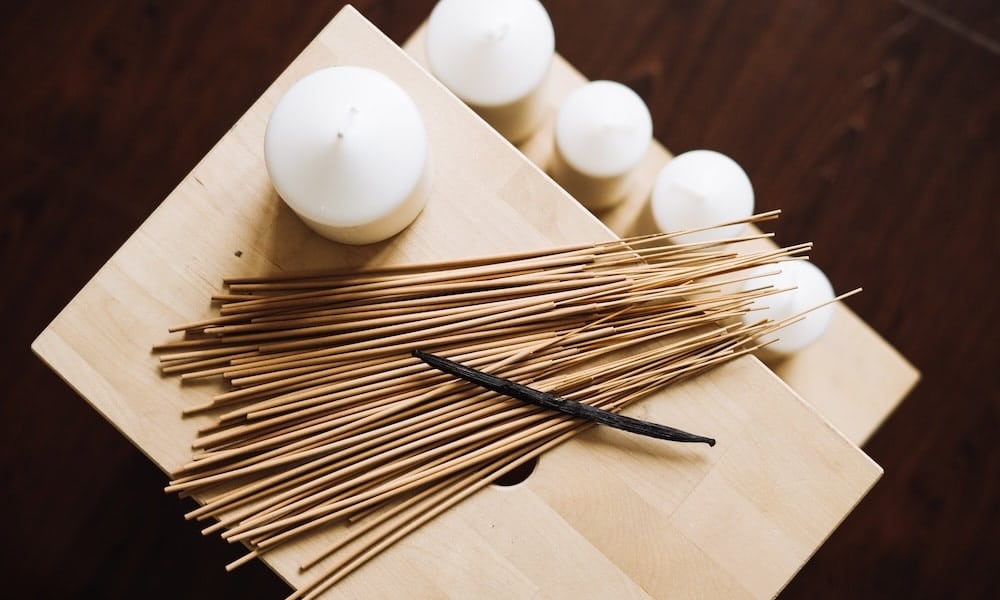
3) They’re made of pure incense – no wooden stick inside. Since there’s no stick inside (unlike other incenses) the level of smoke is minimal which allows only the clean, true fragrance to float throughout the room.

They come in two sizes: 50 stick box, or a 200 stick box. Each box comes with a little tile holder for the sticks. I get mine through Amazon – great prices and quick shipping. If you’re a vanilla lover like I am start with the 50 pack to see if you even like them first, but I bet you go back for the 200 – lol!

Peace.

Mirrorbee® is a participant in the Amazon Associates affiliate advertising program. Mirrorbee may earn compensation from affiliate links in posts at no cost to you. If you have any questions or would like more information on how this works, please feel free to reach out to us directly through our Contact Page.

Views: 170